On a Tuesday at 3:07 in the morning, someone pried open the side door of my garage in Seattle and walked out with two bikes, a toolbox, and my late father's camping gear. The camera I had mounted the week before recorded 22 minutes of a blurry raccoon and a dark shape that never once became a face. The detective was polite about it: no face, no case. Insurance watched the raccoon, then denied most of the claim.
That morning is why I compare home security camera systems the way I do now. Not by the resolution printed on a box, not by the phrase crystal-clear night vision, but by whether a camera can hand me something a detective could actually use at 2 in the morning. I mount everything on my own garage and back fence, walk a person-sized target out to 10, 20, 30, and 50 feet, and keep a running count of every alert that turns out to be a raccoon, a shadow, or a passing car.
This comparison covers four products that answer four different questions: two solar wireless camera systems, a four-pack of tracker tags, and a hidden camera detector. Two of them watch the outside of your house. Two of them cover the gaps that cameras never see.
Related: How Far Can a Security Camera Actually Identify a Face at Night
The short version: the SANNCE 2K solar system with the 4K NVR is where I would start if you own the house, because the recording lives in your garage instead of someone else's server. The wire-free four-pack is the better answer if you rent, cannot drill, or want four angles without four cable runs. The tracker tags and the hidden camera detector are not cameras at all, which is exactly why they belong here.
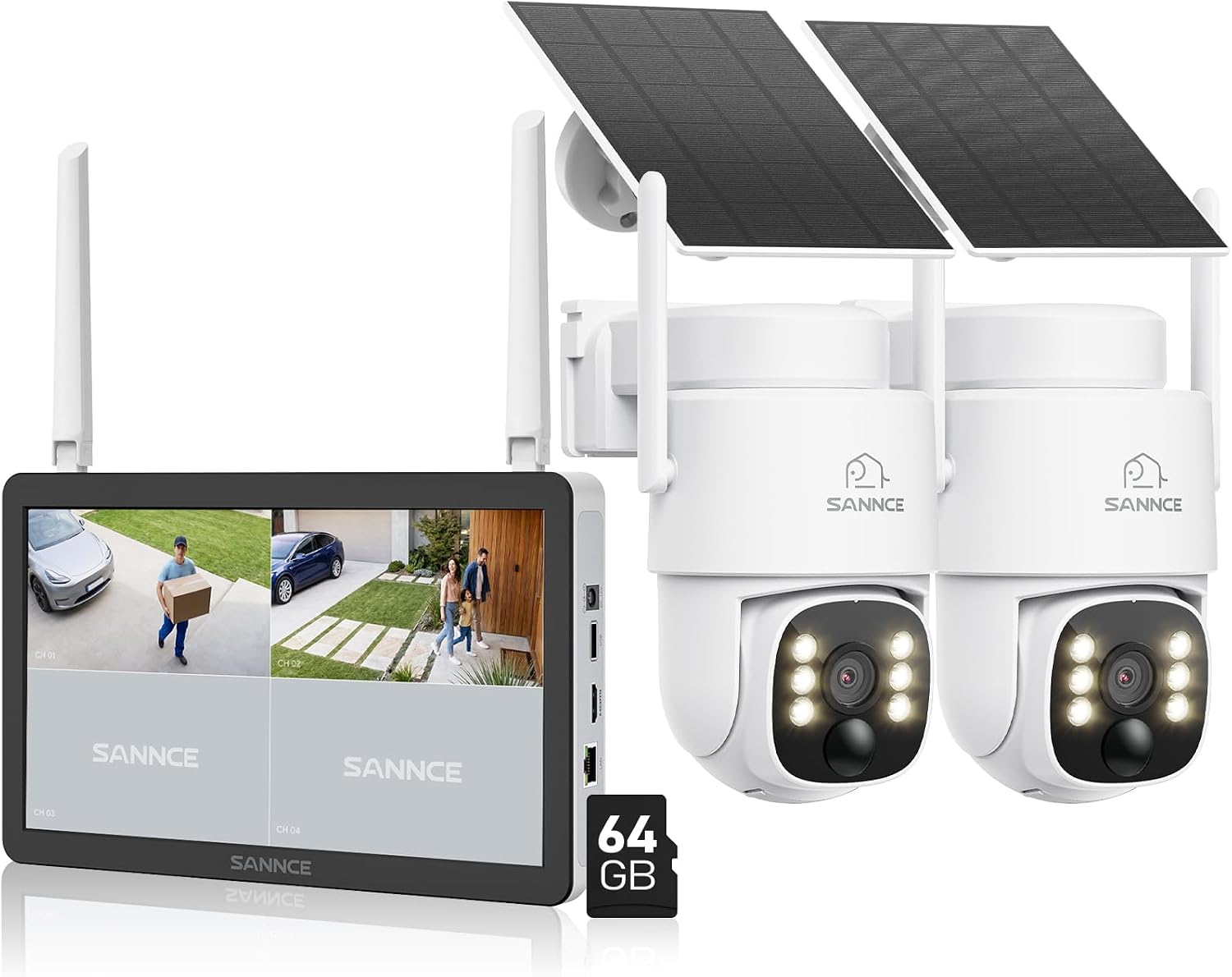
SANNCE 2K Wireless Solar Powered Camera System, 4K NVR with 2PCS 4MP Camera
Recorder lives in your house, solar cameras need no outlet, footage is not rented
Only two cameras, and the recorder needs power and network indoors
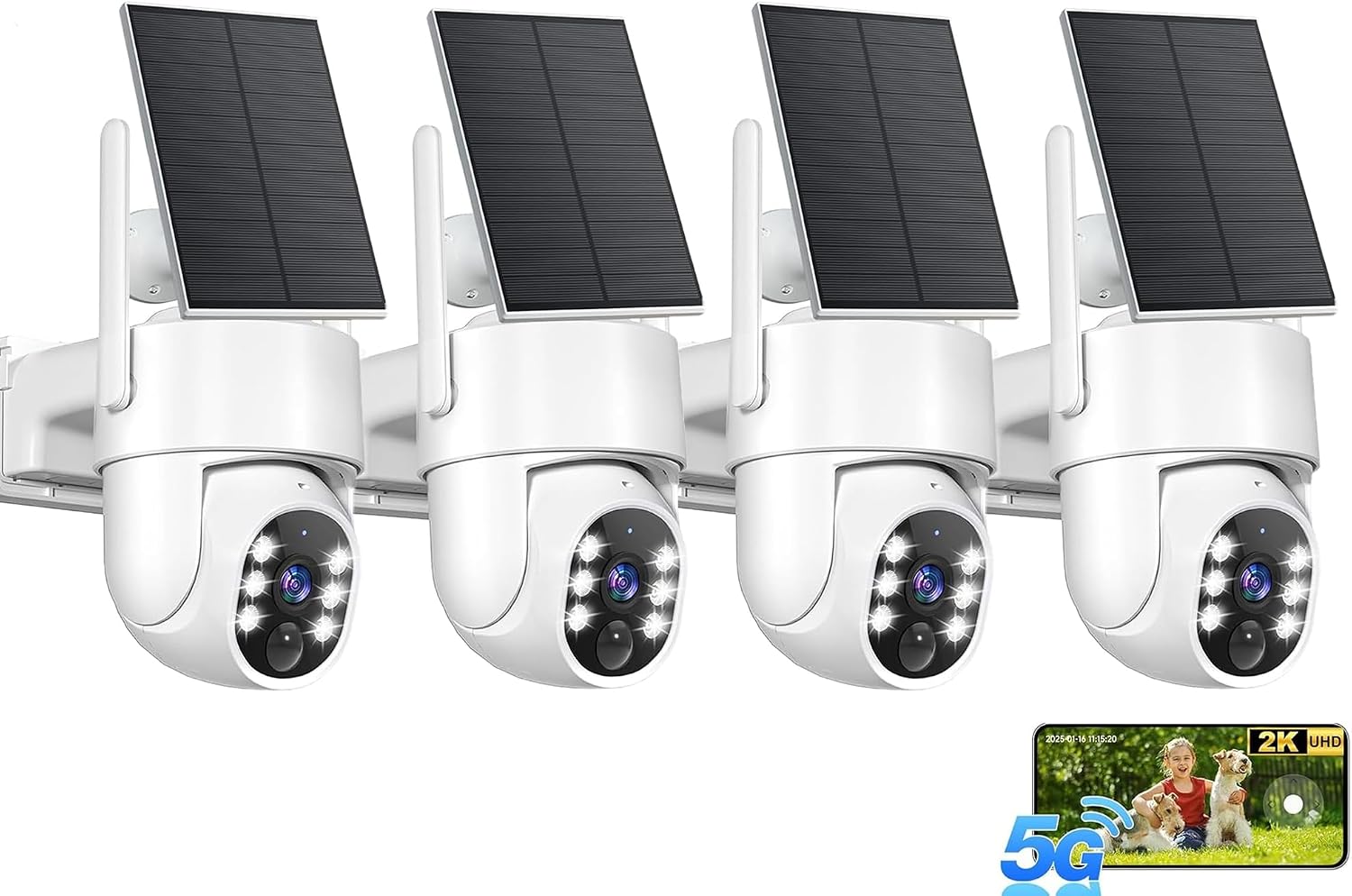
2K Security Camera System, 5GHz and 2.4GHz WiFi Solar Wireless Cameras, 4 Packs
Four angles, wire-free install, AI detection, two-way audio, color night vision
Storage sits on cards inside the cameras, and solar needs actual sun
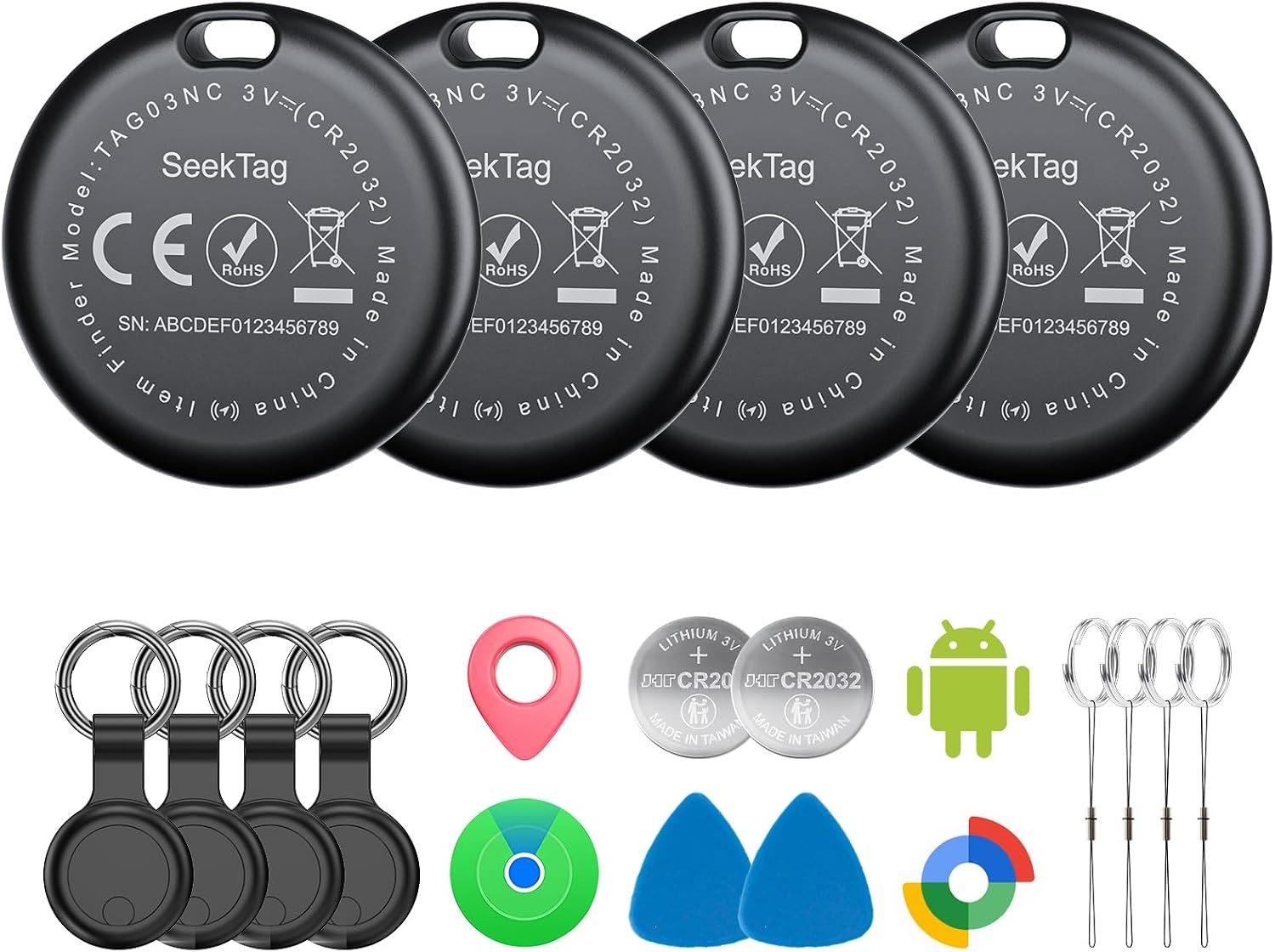
Air Tags for Android, 4 Pack with Cases, 2 Year Battery Life, IP65 Waterproof Tracker Tags
Cheap recovery coverage for bikes, bags, and tools, works on both finding networks
Records nothing, so it is not evidence and not a camera
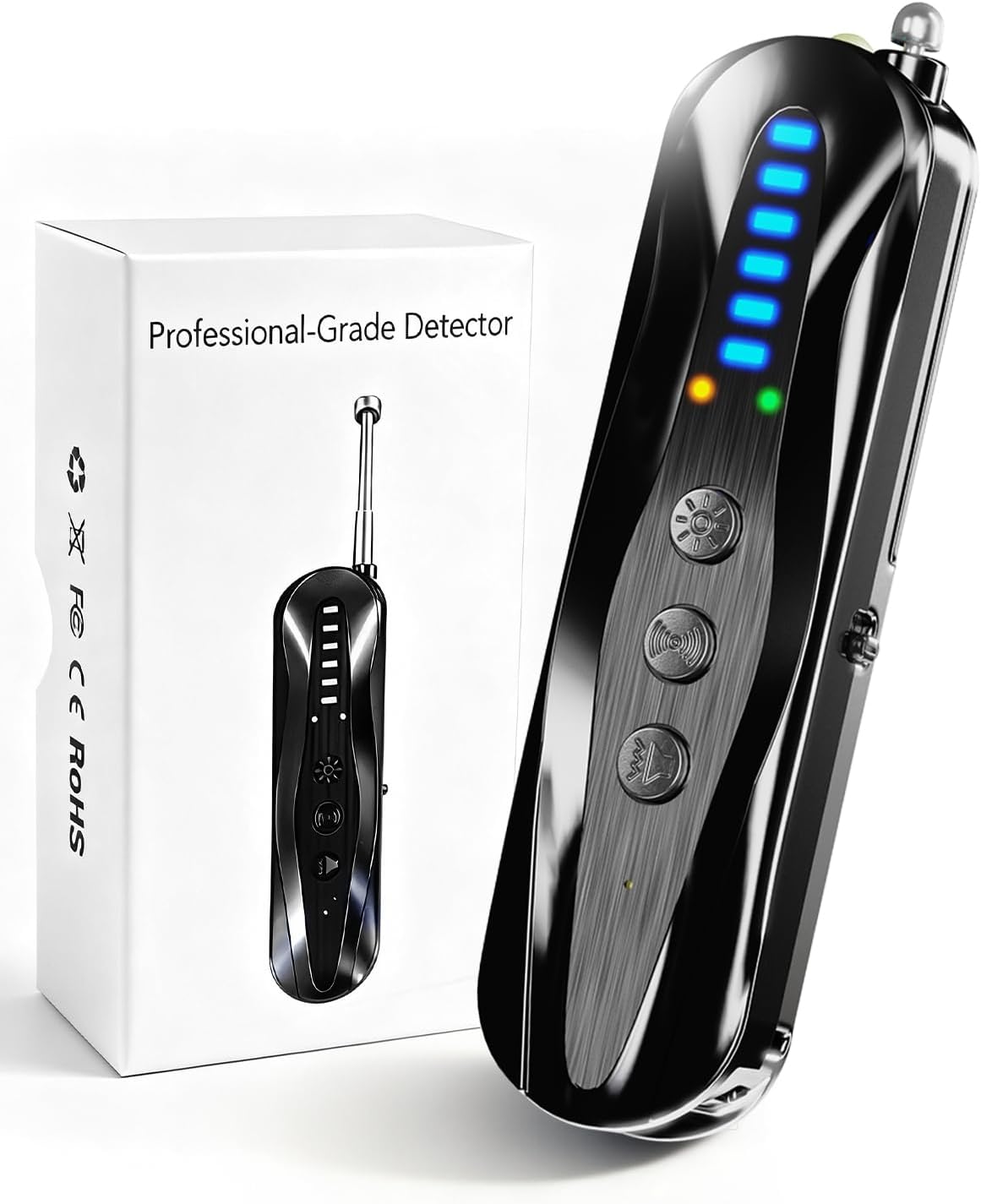
Hidden Camera Detectors, Infrared Pin-Hole Camera Finder, Anti-Spy Alarm and Bug Detector
Portable screening for rentals, hotels, and shared offices
A screening tool, not proof, and it protects no perimeter
Prices and availability were captured from Amazon Creators API and may change.
How I test anything that claims to secure a house
Every camera that comes through my door goes on the same bracket above my garage, then moves to the fence line. I do not test in daylight and call it finished, because garages are not broken into at noon.
The routine is a person-sized target at 10, 20, 30, and 50 feet, lit only by whatever the camera brings with it. Then a full week of alerts, counted and sorted. I want to know how many were people, how many were animals, and how many were nothing at all. A camera that fires forty notifications a night is a camera you will mute by Friday, and a muted camera is not a camera.
I also read the listing twice for storage terms, because the hardware price is the down payment and the subscription is the real price. If I cannot find a plain answer about where footage lives and what it costs to replay it, that is a finding in itself.
The SANNCE 2K solar system: the recorder stays in your house
What it is: a 4K NVR paired with two 4MP solar cameras, wireless. Read the specs rather than the headline number here, because the listing calls the system 2K while the recorder is listed as 4K and the cameras as 4MP.
Why it won with me: the NVR is the point. Footage lands on a box inside your house, and a box inside your house does not expire after 24 hours, does not need a plan to be replayed, and is not sitting on someone else's server waiting for a legal request. That is the arrangement I trust, and it is the reason my own garage runs on a local recorder.
Solar means no outlet and no trench, which matters more than people admit. Most homeowners quit a camera project at the first mention of running cable through a wall. Two cameras is a small system, but two cameras placed at a front approach and a side approach cover the two routes that actually get used.
Why it lost: two cameras is not a whole-house system, and you will probably want to add more. The recorder needs a spot indoors with power and a network connection, which is a real constraint if your garage has neither. Wireless cameras still need usable WiFi at the mounting point, and solar panels need a few hours of direct light. Before buying, confirm in the listing whether cloud storage is optional or required for alerts, because that is the difference between a one-time purchase and a three-year bill.
The wire-free 2K four-pack: four angles and no drilling
What it is: four solar wireless cameras running on 5GHz and 2.4GHz WiFi, with AI detection, two-way audio, mobile alerts, SD and cloud storage, and color night vision.
Why it won: coverage per dollar, and installation you will actually finish. Four cameras give you roughly the field of view of one and a half positioned cameras, and wire-free means no cable runs, no conduit, and no contractor. AI detection is the feature I care about most, because person detection that works after dark is the difference between alerts you read and alerts you disable. Two-way audio is underrated at a side door, and color night vision helps with the details that end up in a report, like clothing and car color.
Why it lost: the storage sits on cards inside each camera, so you have four cards to manage and a camera that walks away takes its own footage with it. Solar panels need sun, so a shaded north wall will not work no matter how good the camera is. And AI detection is worth nothing if it only performs in daylight, which is the first thing I check and the thing most listings never mention.
Tracker tags: recovery, not evidence
What it is: a four-pack of tracker tags with cases, a two-year battery, IP65 waterproofing, and support for both Google's Find Hub app and Apple Find My.
Why it won: cheap coverage for the things that walk. Bikes, tool bags, luggage, a camera bag, the box of camping gear you inherited. Four tags with cases means one on each bike and one in the truck without agonizing over it, and IP65 means Seattle rain will not end the experiment. The two-year battery is the part I care about, because a tracker with a dead battery is a plastic tag with a logo.
Why it lost: a tracker records nothing. It gives you a dot on a map, and whether anyone acts on that dot depends on a lot of things outside your control. It is a recovery tool, not a camera, and it never replaces footage. The dual network support is genuinely useful if your household is split between Android and iPhone, which mine is.
The hidden camera detector: the reverse angle
What it is: a portable detector for infrared pin-hole cameras, wireless cameras, and GPS trackers, with an anti-spy alarm.
Why it won: most people only think about cameras pointing out of their house. This is for the cameras pointing in. A rental, a hotel room, a shared office, a changing area. It is small enough to live in a travel bag, and it covers a category that no outdoor system touches. I have not put this one through a full week on my bench, so I am describing what it is for rather than what it scored, and I would rather say that than invent a number.
Why it lost: a detector like this is a screening tool, not a certificate. It gives you a reason to look closer, not proof that a room is clean. If it alarms somewhere you are staying, treat that as a signal to inspect carefully, not a verdict, and act accordingly.
The real cost: subscriptions, storage, and who can see the footage
Ask three questions of any camera before you buy it. Where does the footage live? What can I do with it without paying anything? What does the third year cost?
Systems built around an NVR answer the first question the way I want, because the recording is a physical object in your house. Systems built around an SD card answer it almost as well, with the caveat that the card is inside the camera and the camera is outside. Cloud-only systems answer it with a rental agreement, and that is a fine choice as long as you call it what it is.
The trap I see most often is a camera that stores clips locally but locks replay behind a plan, or a free tier that turns out to mean 24 hours of clips you cannot export. Neither is a scam, but both change the math. Do the three-year arithmetic before you commit, because the sticker price is never the whole story. That rule applies to everything on this list, including the two accessories, which is partly why they are here.
What I would actually install
If you own the house and you have a shelf for a recorder, start with the SANNCE system. Local storage, solar cameras, and a path to adding more cameras later. It is the setup I would put on my own garage if I were starting over today.
If you rent, if you cannot drill, or if you want four angles immediately without cable runs, take the wire-free four-pack. Just budget a few minutes to check each camera's card every couple of months, and mount them where the sun reaches.
Then add the two cheap layers. Put tracker tags on the bikes, the tool bag, and the luggage, because recovery is a separate problem from evidence. Keep the hidden camera detector in your travel bag for rentals and hotel rooms. Total spend stays modest, and you have covered the outside of the house, the property that leaves it, and the space you sleep in when you are away from home.
The camera still in the box loses to the camera mounted badly, every time. Install something this weekend.
What I am testing next
Two more solar systems are on the fence line now, going through the same week of alert logs and the same 10, 20, 30, and 50 foot walk. I am also tracking how each one behaves when the sun does not show up for three days straight, because Seattle will absolutely test that. Full numbers when the week is done.