The detective asked me for a face. What I handed him was 22 minutes of a raccoon and a dark shape that never resolved into a person, plus the sentence that has run my life since: no face, no case. That was February, 3:07 in the morning, my Seattle garage. Two bikes, a toolbox, and my late father's camping gear gone. Insurance watched the raccoon footage and denied most of the claim.
So when people ask me to compare cameras, I do not start with resolution or brand names. I start with whether the thing produces evidence. This comparison covers no subscription security cameras in two very different shapes: two wired kits that record to a drive inside your own house, and two no-WiFi monitors that keep everything on a dedicated screen with no account, no app, and no plan. Two of these are built to watch the outside of a house. Two are built to watch a room inside it. If you have not decided which of those jobs you actually have, that is the real decision, and the table below is where it starts.
The short version: if you need footage a detective can use, buy a wired kit with a recorder in your own house. The eufy 4-Camera Kit with the 1TB hard drive is the one I would start with for most homes, and the ANNKE 3K Lite eight-camera system is the pick for a property with more corners than four cameras can cover. The VTech and HelloBaby monitors are not security cameras and I will not pretend otherwise, but they are genuinely useful closed-loop video devices, and for plenty of people they are the right first purchase.
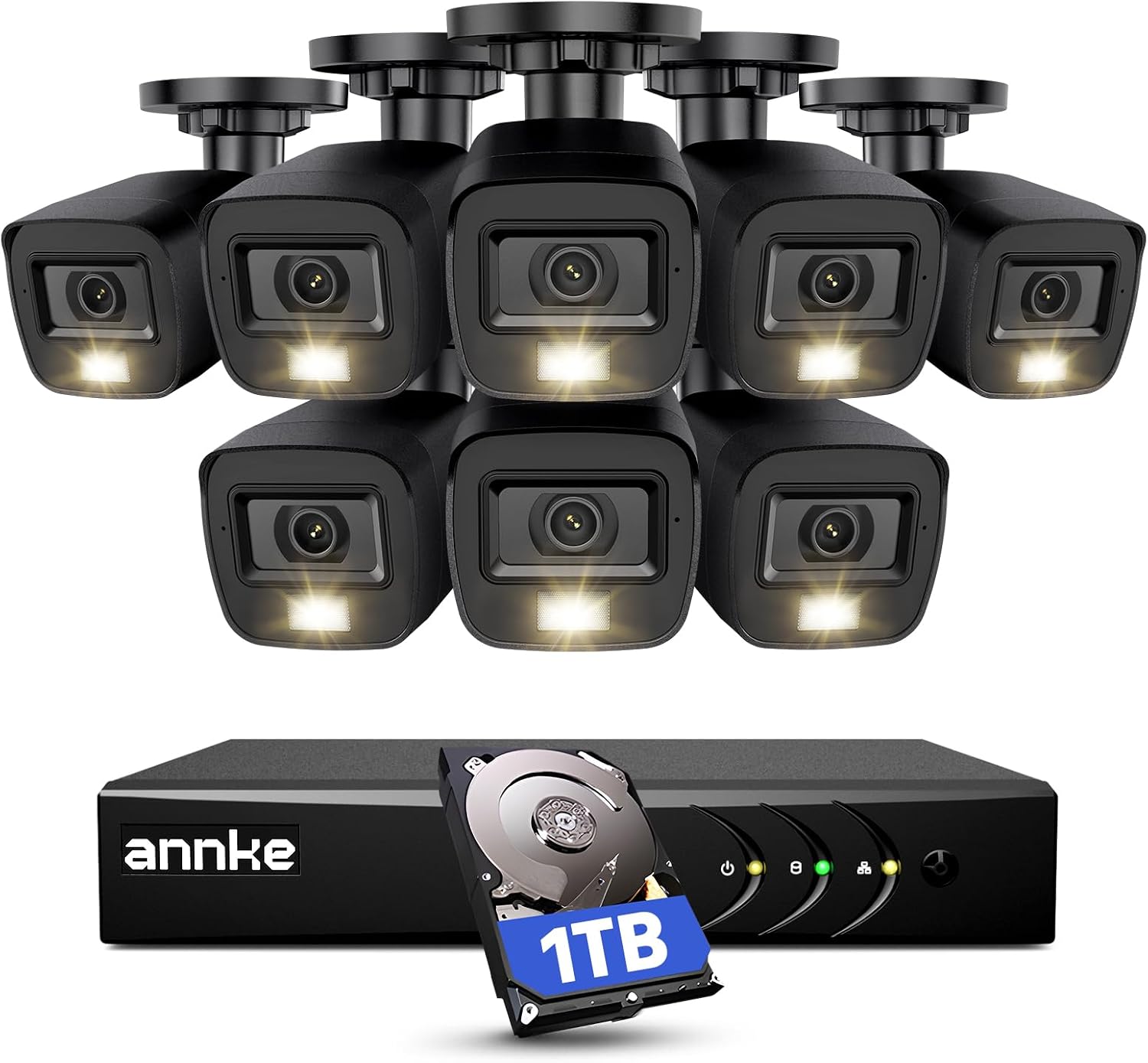
ANNKE 3K Lite Wired Security Camera System Outdoor, 8X 2MP Cameras, 1TB HDD
Most angles per dollar here: eight wired cameras and a 1TB drive in one box, with footage that lives in your house
Wired means drilling and pulling cable, and 2MP per camera is the lowest resolution in this group

VTech Baby Monitor No WiFi, 7" IPS Screen, 5000mAh 12Hr Battery, 360° PTZ, 4X Zoom, Night Vision, Night Light, 2-Way Talk, White | Advanced HQ Max
The most detail-friendly monitor in this pair: 7-inch IPS screen, 360 degree pan and tilt, 4x zoom, 12-hour battery
Indoor device with no NVR in the box, so it is live watching, not a week-long archive
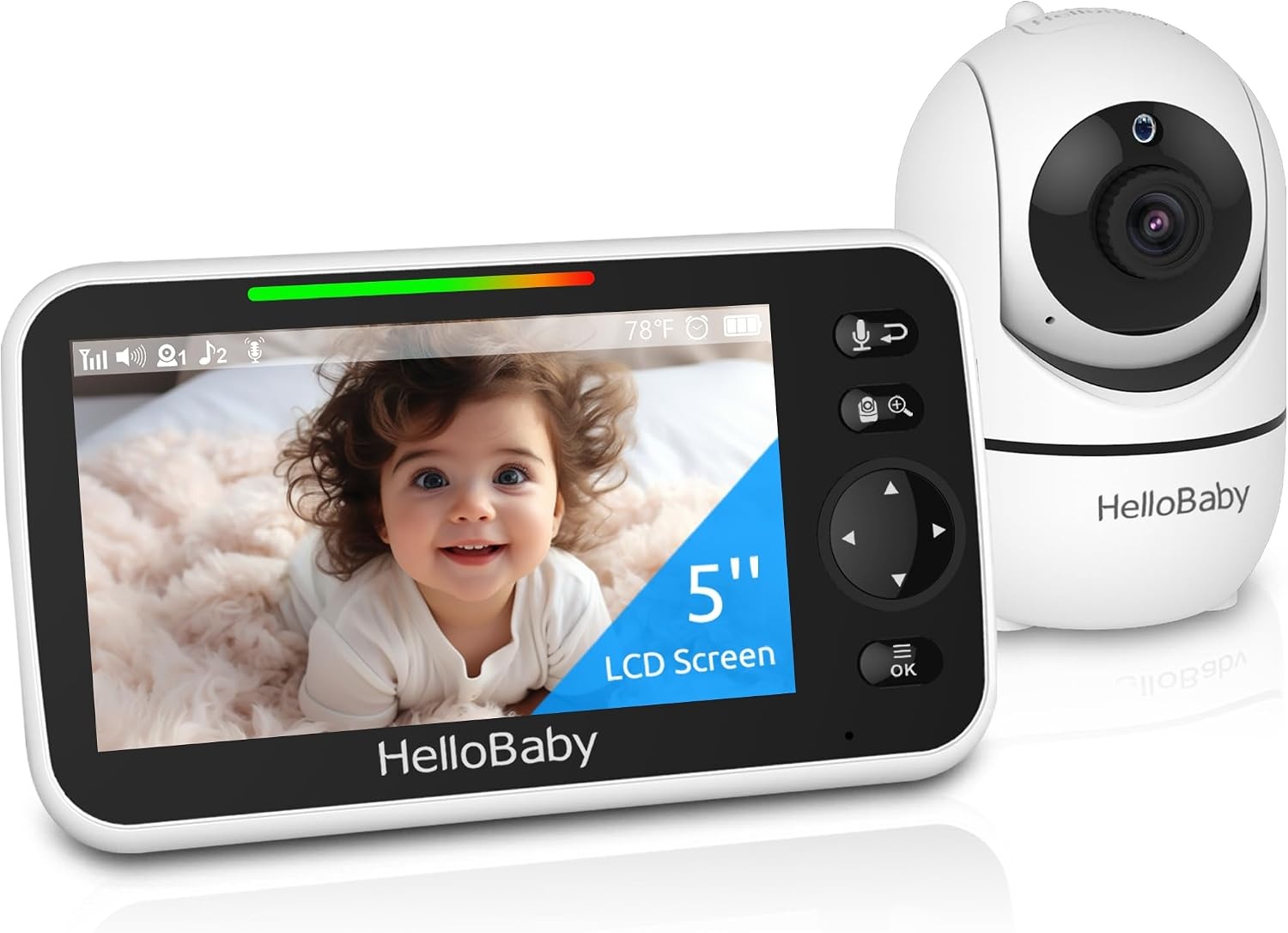
HelloBaby No WiFi Baby Monitor Camera and Audio HB6550, 5" Video Screen
Dead simple closed-loop video: no Wi-Fi, no app, no account, nothing to configure
A 5-inch screen gives you a shape across a room, not a face, and no pan, tilt, or zoom is published

4-Camera Kit with 1TB Hard Drive by eufy
Four cameras plus a 1TB hard drive, local storage first, which is the whole reason to pick eufy
Four channels fill up fast on a real house, and the brand's older models need a careful look before you trust the logo
Prices and availability were captured from Amazon Creators API and may change.
How I judge anything with a lens on it
Four questions, every time. First, night ID range: can it capture a face at 20 feet in the dark, not just a moving blob? Detection is not identification, and the gap between those two is where most break-in footage dies. Second, alert discipline: a full week of false-alert counting, because a camera everyone mutes is a camera that does not exist. Third, the three-year cost with the subscription included, because the hardware is the down payment and the plan is the price. Fourth, where the footage lives and who else can reach it.
One more rule I hold myself to: when a listing does not state something, I say so instead of filling the gap with a guess. You will see that below, because these four listings publish very different amounts of information, and that difference matters more than any single spec.
The two wired kits: evidence, if you will run the cable
ANNKE 3K Lite Wired Security Camera System, 8 cameras and a 1TB HDD
The pitch is coverage per dollar. Eight 2MP cameras and a 1TB hard drive in one box, all wired, which means no battery swaps, no Wi-Fi dead spot behind a metal garage wall, and no camera dropping off the network because the router rebooted while you were asleep. Wired is boring. Boring is exactly what you want at 2 AM.
The trade-off is the install. Wired means drilling and pulling cable, and if you rent, or you hate a Saturday on a ladder, this is not your product. These are also the lowest-resolution cameras in this comparison at 2MP each, so the honest framing is quantity over pixel count: you get more angles, and each angle is fine rather than outstanding. Eight cameras also means eight alert streams. Set tight detection zones in week one, or you will have built yourself an expensive notification machine.
eufy 4-Camera Kit with 1TB Hard Drive
This is the one I would put on a normal house. Four cameras, a 1TB hard drive in the kit, and a brand whose local storage story is the reason people choose it in the first place. Local storage is the point for me: footage in my house, no monthly plan required to replay my own clips, and nobody else's legal request quietly deleting the file.
Two things to check before you buy. Four cameras is four cameras, and a driveway plus a front door plus a side gate plus a back door uses them up, so walk your property and count the angles you actually need. And check the exact model carefully. Eufy's newer local-first gear is straightforward, but the company has shipped cameras over the years with cloud access that was not as lockable as buyers assumed, so read the model page rather than trusting the logo.
The two no-WiFi monitors: closed-loop video without a security promise
I put these two in the same article on purpose, and I want to be clear about why. They are not outdoor security cameras, and nothing in their listings claims to be. They are closed-loop video: a camera, a dedicated screen, no Wi-Fi, no account, no app, no plan. If you want to watch a nursery, a side door from inside the house, or the inside of a garage you already park in, that is a legitimate setup, and it is the one plenty of people should buy before they buy anything with a subscription attached.
What neither listing promises is a drive-based archive or a face you could hand a detective at 20 feet in the dark. A monitor's night vision spec is about seeing a sleeping baby a few feet from the lens, not identifying a stranger at the end of the driveway. Keep those two jobs separate in your head and you will not be disappointed by either.
VTech Advanced HQ Max No WiFi monitor
The fuller spec sheet of the two: a 7-inch IPS screen, a 5000mAh battery rated for 12 hours, 360 degree pan and tilt, 4x zoom, night vision, a night light, and two-way talk. For a monitor, screen size and zoom are the specs that decide whether you can actually tell what you are looking at, and a 7-inch IPS panel with pan and zoom is the most detail-friendly combination in this pair. The 12-hour battery number is the one that matters at 3 AM, when you do not want to be hunting for a cable in the dark.
The limit is the job. This is an indoor device. It is not built for a driveway, there is no NVR in the box, and the screen is the record, so treat it as live watching plus whatever the unit itself keeps, not as an archive you can scrub through a week later.
HelloBaby HB6550 No WiFi monitor
HelloBaby's version is the simpler one: a 5-inch screen, camera and audio, no Wi-Fi, no app. The appeal is that there is nothing to configure and nothing to subscribe to. You plug it in, it works, and nobody in another state can log into it.
The 5-inch screen is the honest limitation. When something happens across a room, a 5-inch panel gives you a shape, not a face, and this model does not publish the pan, tilt, or zoom features that would let you close that gap. If you want the most affordable closed-loop video for one small room, this is a reasonable entry point. If you want detail, the bigger screen in this pair is the better call.
Which one belongs on your house
Write down what you are actually protecting. If the answer is the outside of a house, the vehicles in the driveway, and a side gate someone can reach from the street, you need a wired kit. Start with the eufy four-camera kit, add cameras later if the count does not fit, and accept the cable run as the price of footage that survives a Wi-Fi failure or a dead router. If you have a long property line and want the most angles in a single purchase, the ANNKE eight-camera system covers more ground, at the cost of a harder install and lower resolution per camera.
If the answer is a room, a nursery, or an interior door, the monitors are the smarter buy. The VTech is the more capable of the two for detail, thanks to the larger screen and the pan, tilt, and zoom. The HelloBaby is the simpler one, and the right choice when the job is small and the budget is the constraint.
And if you are in the position I was in a week before the break-in, do not buy the deal that lands in your inbox. Buy the thing that produces a face.
The subscription math nobody puts on the box
Here is my rule, and I have not broken it since the insurance letter arrived: the hardware is the down payment, the plan is the price. A camera that costs less up front and then charges you monthly to replay footage is more expensive than a camera with a drive in the box, and the crossover usually happens well inside three years.
That is why local storage matters more than any single spec on this page. A 1TB drive in a wired kit means the clips are yours, no plan required, and the archive does not vanish the month you stop paying. A no-WiFi monitor has the same virtue in a smaller package: no account, no plan, no vendor in the loop. If a listing cannot tell you where your footage lives and who can reach it, that is not a spec sheet. That is a brochure.
Before you click buy
Three checks, every time. Count your camera angles first, because a four-camera kit on a house that needs six angles means buying twice. Confirm the storage story in writing, because a drive in the box and a cloud plan are not the same product even when the boxes look identical. And test your own detection zones in the first week, because the difference between a useful camera and a muted camera is about 20 minutes of setup.
I have been running cameras on my own garage and fence since the break-in, logging night results and false alerts in a notebook, and the pattern has not changed: the cameras that help are the ones whose footage lives in the house and whose night image resolves a face at the distance where a person would actually stand. Everything else is security theater with a blinking LED.
If you take one thing from this comparison, take the raccoon. My camera saw it. It just could not see anything that mattered.