I learned what a security camera is actually for at 3:07 AM on a Tuesday in February, standing in my garage with a flashlight and a detective who had already watched the footage. Someone had pried the side door, taken two bikes, a toolbox, and my late father's camping gear, and left me with 22 minutes of a raccoon and a dark shape that never once became a face. "No face, no case," he said, politely. Insurance watched the raccoon too, and denied most of the claim.
That is why this comparison of indoor and outdoor security cameras is not organized around megapixel bragging and app screenshots. It is organized around the three questions that decide whether a camera earns its mount: can it identify a person at the distance your hallway or driveway actually requires, how often will it cry wolf, and where does the footage live when someone asks for it. The four cameras here cover the three shapes most home cameras come in, and they sit at very different points on the price and effort scale.
Related: Home Security Camera Night Vision Explained
If you want one camera to cover the most ground for the least commitment, the WEILAILIFE 4MP PTZ outdoor camera is the pick in this group for most houses, and the Tapo C101 is the pick if the problem you are solving is indoors.
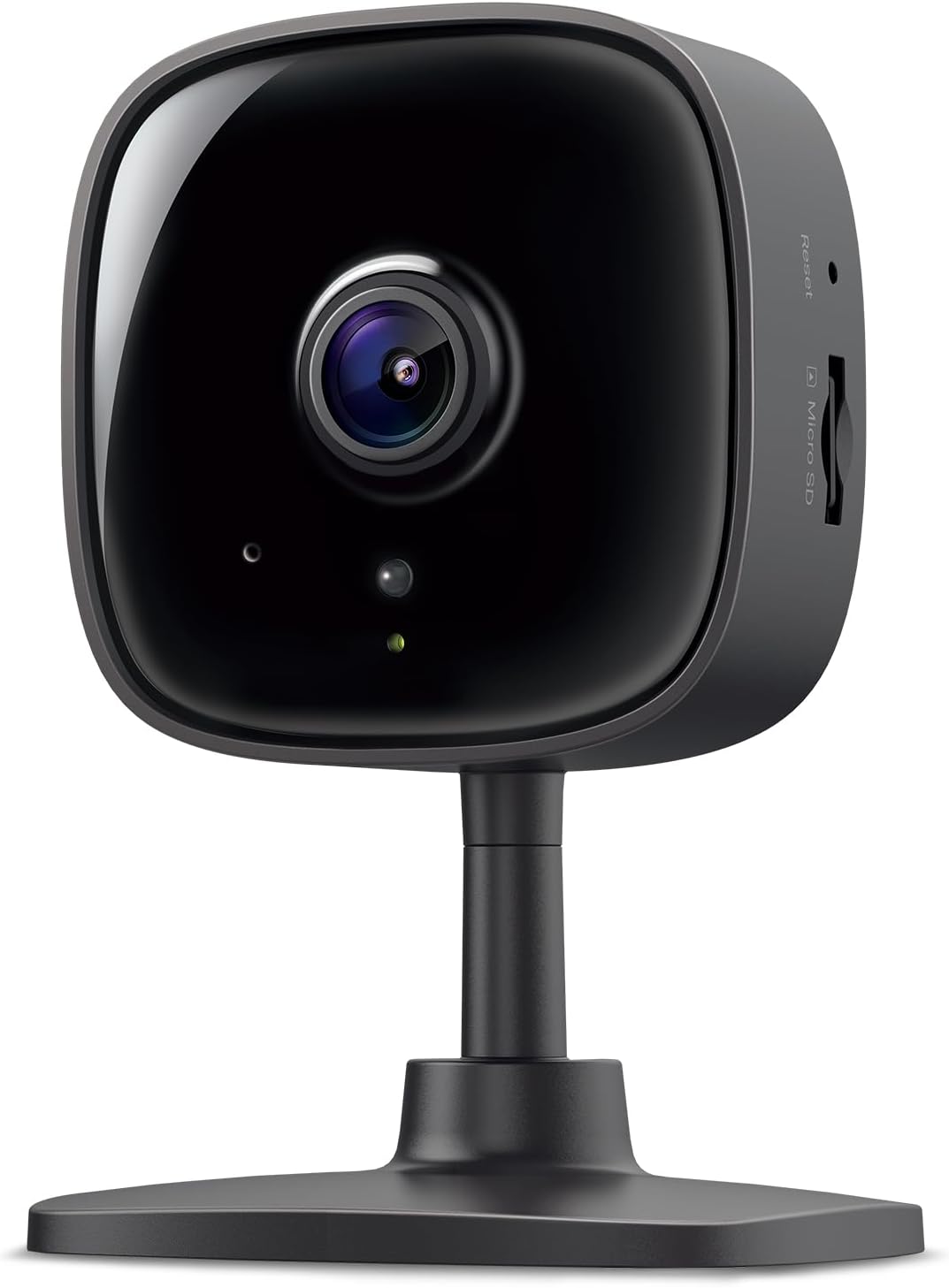
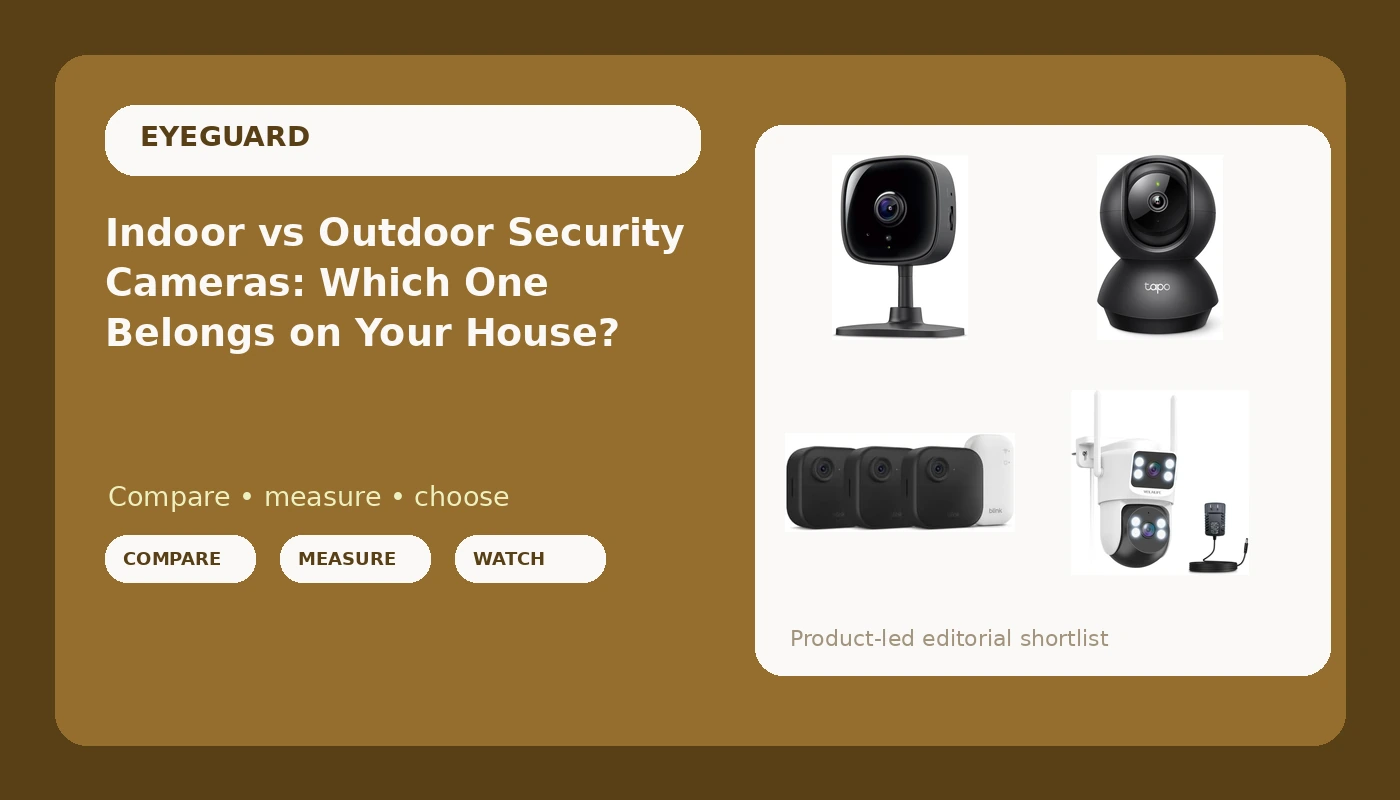
Tapo 1080P Indoor Security Camera, Baby Monitor, Dog Camera, C101
Lowest upfront cost here, simple fixed view, ideal for one doorway or one crib
No pan or tilt, so a second room means a second camera
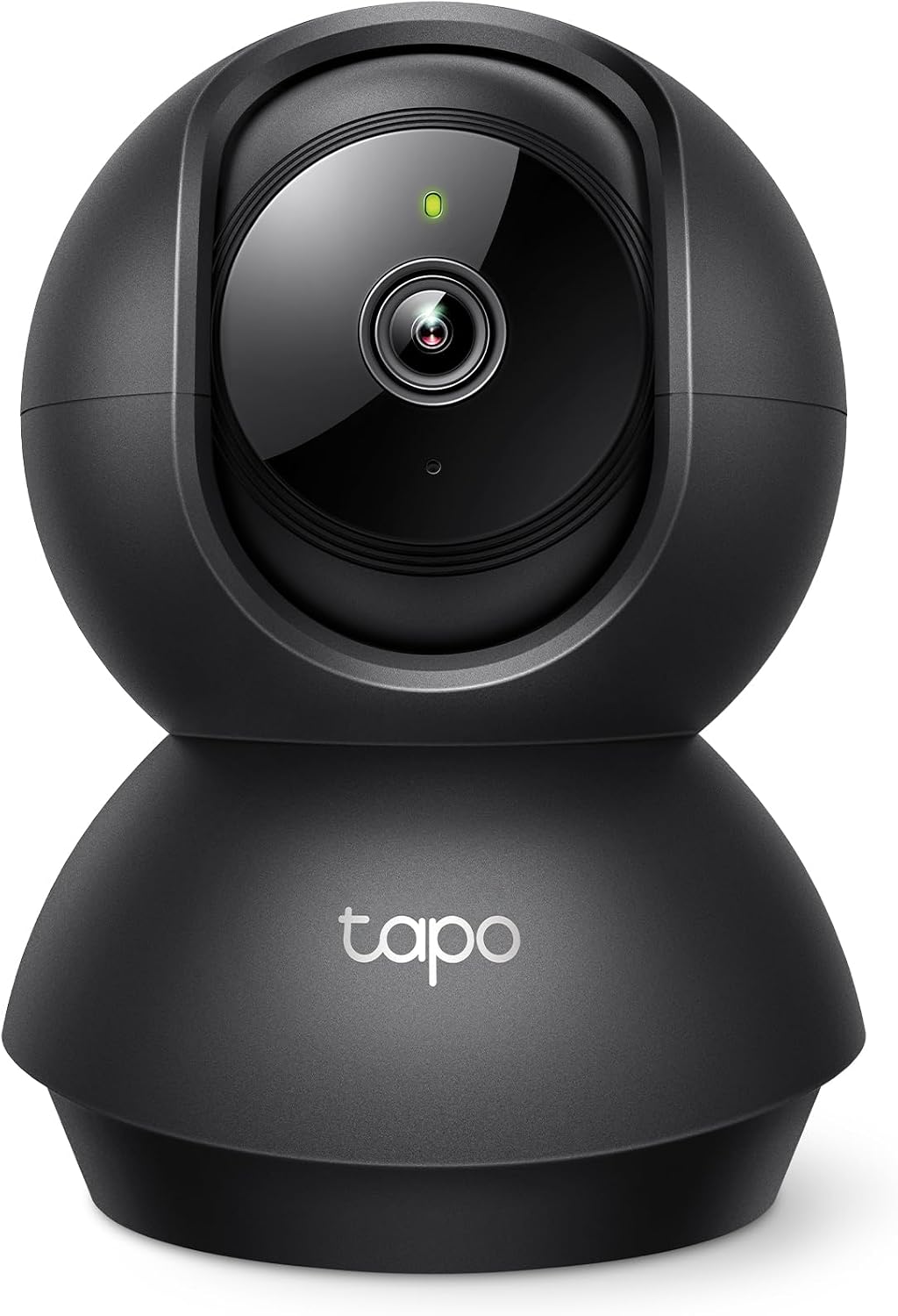
Tapo 1080p Pan/Tilt Security Camera for Baby Monitor, Pet Camera, C201
Same cost as the C101 but covers a whole room with pan and tilt
Moving parts and a wider detection field mean more chances for false alerts
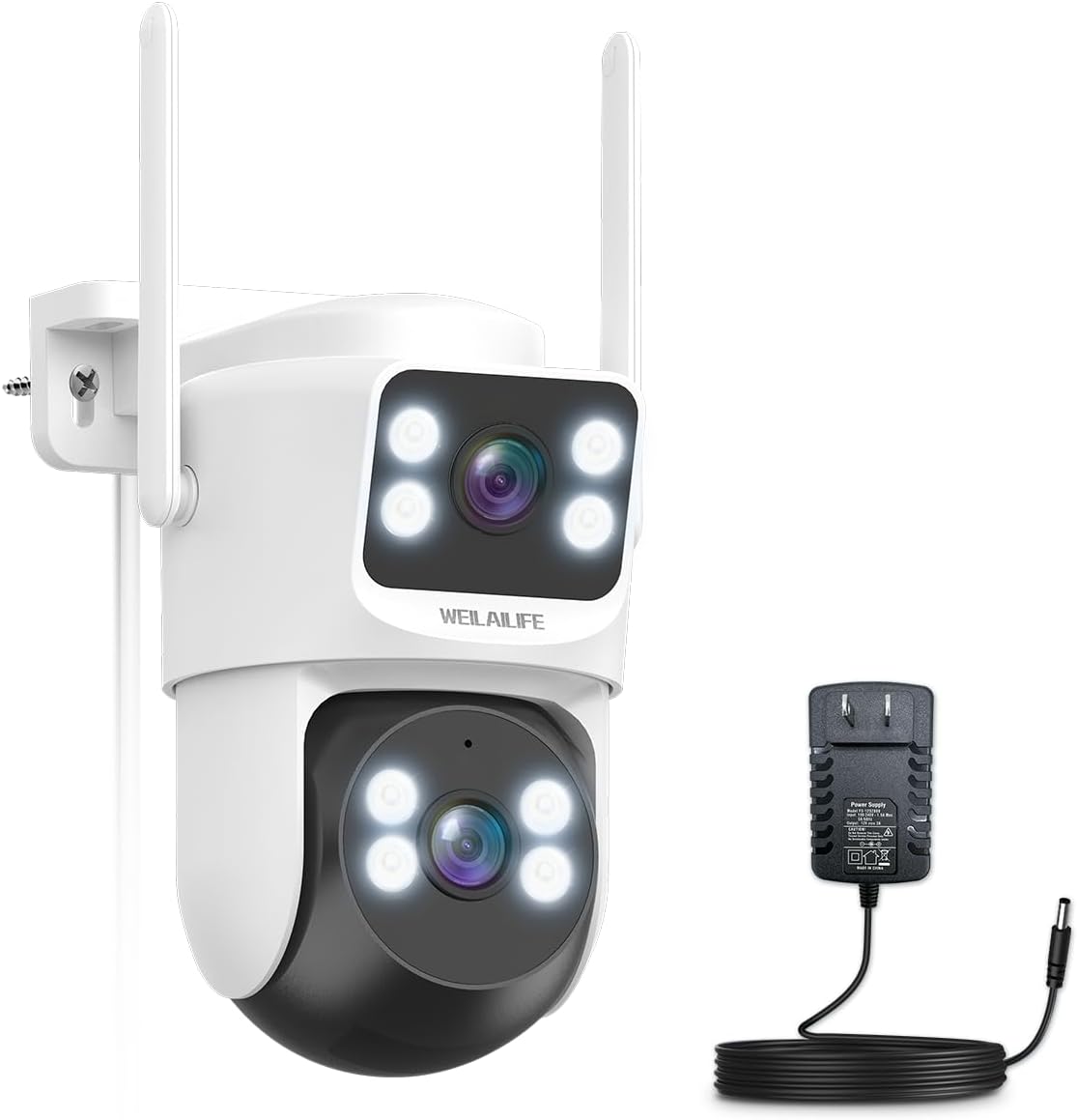
WEILAILIFE 2-Way Audio 4MP Extend PTZ Security Cameras Wireless Outdoor
4MP plus PTZ, the most usable pixels and the widest coverage per camera
One camera, one mounting job, and PTZ motors are one more thing to fail
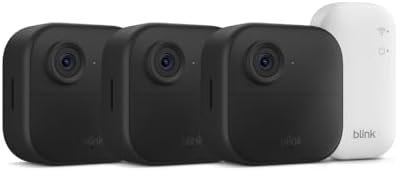
Blink Outdoor 4, two-year battery life, 1080p HD day and infrared night live view, two-way talk, Sync Module Core included, 3 camera system
Three cameras on one system, battery powered, no cable runs to plan
Highest upfront cost, and the cloud plan is where the real money lives
Prices and availability were captured from Amazon Creators API and may change.
How I sort four cameras into a shortlist
Every camera I take seriously gets judged on four things, in this order.
Night ID range. Not "night vision," which every box claims. The distance at which a face is still a face instead of a smudge. I test at 10, 20, 30, and 50 feet with a target standing still, because a person walking toward your door is the only clip you will ever hand to a detective.
False alert rate. A camera that pings you for every passing car, shadow, and spider web gets muted within two weeks, and a muted camera is not a camera. Detection zones and person detection have to work at 2 AM, not just at noon.
Three-year cost. Hardware is the down payment. The subscription is the price. Any camera whose useful features sit behind a monthly plan gets that plan multiplied out and printed next to the sticker.
Where the footage lives. If the only copy of the clip that matters sits on a vendor's server, you are renting your own evidence.
The four units below sort cleanly along those lines once you stop reading the marketing copy.
The indoor pair: Tapo C101 and Tapo C201
Both Tapo cameras are 1080p indoor units built for the same jobs: watching a baby, watching a dog, watching a hallway. The difference is the lens mount.
The Tapo C101 is fixed. Point it at one door, one crib, one stretch of hallway, and it stays pointed there. That is not a limitation so much as a design brief. A fixed camera has no motors to grind, no pan cycle to interrupt, and no reason to drift off its target. If you know exactly what you want to watch, it is the simplest thing in this comparison.
The Tapo C201 adds pan and tilt for the same money. That buys you a full-room sweep from a single shelf, which is genuinely useful for a nursery or a living room, and it means one camera can cover a doorway and a window that a fixed lens would force you to choose between.
The trade-off is the one nobody mentions. A moving camera watches a bigger volume, which means it detects more motion, which means more alerts to sift through. Pan and tilt also means the moment that matters can happen while the lens is pointed the other way, at the wall, mid-sweep. Set tight detection zones and pin the camera to a home position when you are not actively looking around, or the extra coverage becomes extra noise.
Both units are indoor-only. Neither belongs under an eave in Seattle weather, and neither is designed for the kind of distance an outdoor camera has to cover. Buy them for what they are: cheap eyes on an interior room, with two-way audio so you can tell a delivery driver to leave the package or tell a dog to stop barking at the mail slot.
The outdoor pair: WEILAILIFE 4MP PTZ and Blink Outdoor 4
The outdoor decision is a different problem, because the camera is now competing with weather, distance, and darkness.
The WEILAILIFE 4MP PTZ camera is the more capable single unit on paper. Four megapixels instead of 1080p, pan and tilt for aiming without a ladder, two-way audio, and a wireless outdoor build. For a driveway, a side yard, or the corner of a garage where you want one camera to watch a wide arc, PTZ is the feature that changes what is possible. You mount it once and aim it from your phone.
The Blink Outdoor 4 system takes the opposite approach: three cameras instead of one, battery powered with a claimed two-year battery life, 1080p HD day and infrared night live view, two-way talk, and a Sync Module Core in the box. The pitch here is coverage and installation, not resolution. Three battery cameras mean you can watch the front door, the back gate, and the garage side without running a single cable, which matters if you rent, or if your house is brick, or if you have ever abandoned a project halfway through a wall.
The trade-offs are real on both sides. A single PTZ camera is one point of failure; if it goes down, your whole view goes down, and PTZ motors are more moving parts than a fixed lens. Three battery cameras mean three mounting jobs, three batteries to track, and a system that trades continuous recording for battery life. Battery cameras generally wake up when they see something rather than rolling 24/7, and that gap between events is exactly where the interesting footage sometimes lives. Check the listing for how each handles continuous versus event recording before you commit, because it changes what you can prove later.
Resolution is not the whole story
Four megapixels beats 1080p on one specific task: cropping. When someone walks past your camera at 25 feet, a 4MP frame gives you more pixels on that face, and more pixels on a face is the difference between "a man in a hoodie" and a description a detective can use.
What resolution does not fix is a bad sensor, a weak infrared illuminator, or a bitrate that crushes detail to save bandwidth. A 1080p camera with a decent lens and honest IR will outperform a 4MP camera that blows out everything inside 15 feet. That overexposure effect, the blurry raccoon problem, is what happens when cheap infrared floods the near field while trying to reach the far field. It is the single most common reason a camera fails the only test that matters.
The other cost of 4MP is storage. Bigger frames fill a memory card faster, so if you are relying on local storage, plan the card size around the resolution, not around whatever is in the drawer.
The subscription math
Here is the rule I apply to every camera, including the ones I recommend: print the three-year cost next to the hardware price before you decide.
Blink's feature set leans on a subscription plan for the cloud features most people expect, and the included Sync Module Core is the hub the system talks through. Whether that module supports local USB backup is worth confirming on the current listing, because it changes the math dramatically. If you can record locally, the plan becomes optional. If you cannot, add three years of per-camera cloud pricing to the system cost before you compare it to anything else.
Tapo cameras generally offer local microSD recording alongside an optional cloud plan, which is the healthier arrangement. The camera works without a subscription; the subscription is a convenience, not a hostage situation.
The WEILAILIFE unit is the one to read carefully, since outdoor cameras in this price band sometimes gate person detection or cloud playback behind a plan. Whatever the listing says, apply the same test: what does this camera do on day 400 with no subscription active? If the answer is "records to a card and still sends alerts," you are fine. If the answer is "nothing you can replay," the hardware price is fiction.
Where the footage lives
Local storage beats cloud trust. That is not a philosophical position, it is a practical one. Footage on a card in your hallway cannot be silently deleted by a vendor responding to a legal request, cannot vanish when a free tier changes its retention window, and does not stop working when your internet does.
So the first question for any of these four is where the recording lands. Cards and local modules keep working when the Wi-Fi drops. Cloud-only setups stop being cameras the moment your router reboots. "Free cloud storage" that means 24 hours of clips you cannot export is not storage, it is a preview.
If a camera needs a subscription to replay footage stored on the card inside your own house, that is not a feature tier, that is a design decision I will not defend.
Who should buy which
If you are watching one interior room and you want the least expensive, simplest thing that works, take the Tapo C101. Point it, forget it, no motors to worry about.
If you are watching a nursery or a main living space and you want one camera to cover the whole room, the Tapo C201 does that for the same money. Just tighten the detection zones so the pan sweep does not turn into alert spam.
If your concern is outdoors and you want the best single-camera coverage, the WEILAILIFE 4MP PTZ is the pick. More pixels to crop, pan and tilt to aim from your phone, and a wireless outdoor build that suits a driveway or a side yard.
If you need to cover three separate spots without running cable, the Blink Outdoor 4 three-camera system is the practical answer, provided you go in with your eyes open about the subscription and confirm what the Sync Module Core does for local recording.
What I would actually mount
The best camera is the one you install. A three-camera kit that stays in the box loses to a single camera screwed into the trim above your side door. So start with the coverage that hurts most, the door someone actually pried, and add from there.
Then run the only test that has ever mattered to me. Walk out at night, stand where a stranger would stand, and ask whether the clip you just recorded would let a detective find that person. If the answer is no, you have a motion sensor with a blinking LED, and you are back where I was at 3:07 AM with a raccoon and a denied claim.