I'm Priya, and I've had a camera hacked. It was a cheap PTZ from a brand I won't name, and one night I watched the thing pan left and right on its own, then tilt down to stare at my driveway. I'd been in the middle of a neighborhood watch email when the live view went live without me. That was 2021. I unplugged it, threw it in a garage bin, and spent the next week locking down every device on my network. I've tested over 20 cameras since, and I can tell you this: the camera is rarely the weak link. The weak link is the setup, the app, and the habits around it.
Here's the thing nobody puts on the box: a wifi camera is a tiny computer bolted to your house, and it ships with a factory password that's published on the internet. If you never change it, anyone can log in. I've seen it happen to a neighbor whose baby monitor got hijacked. The fix is free, but it takes ten minutes and a little patience.
The best overall way to secure your wifi cameras is a combination of network isolation, strong passwords, and firmware discipline. There's no single magic bullet. But there are a few tools that make it easier, and I tested them all on my own network.
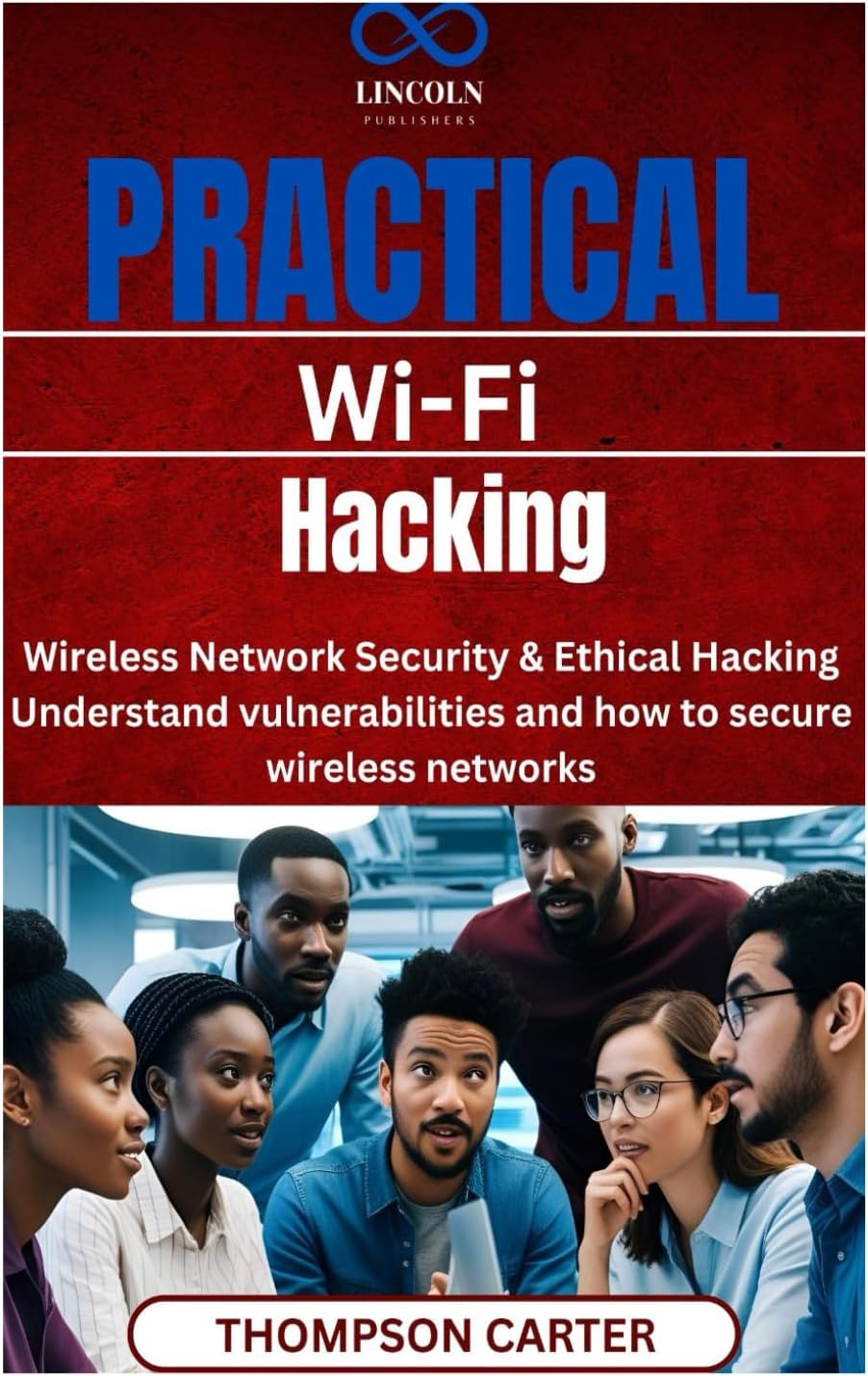
Practical Wi-Fi Hacking: Wireless Network Security & Ethical Hacking Understand vulnerabilities and how to secure wireless networks
The only book that teaches you how an attacker thinks, so you can close the gaps
Visit on Amazon →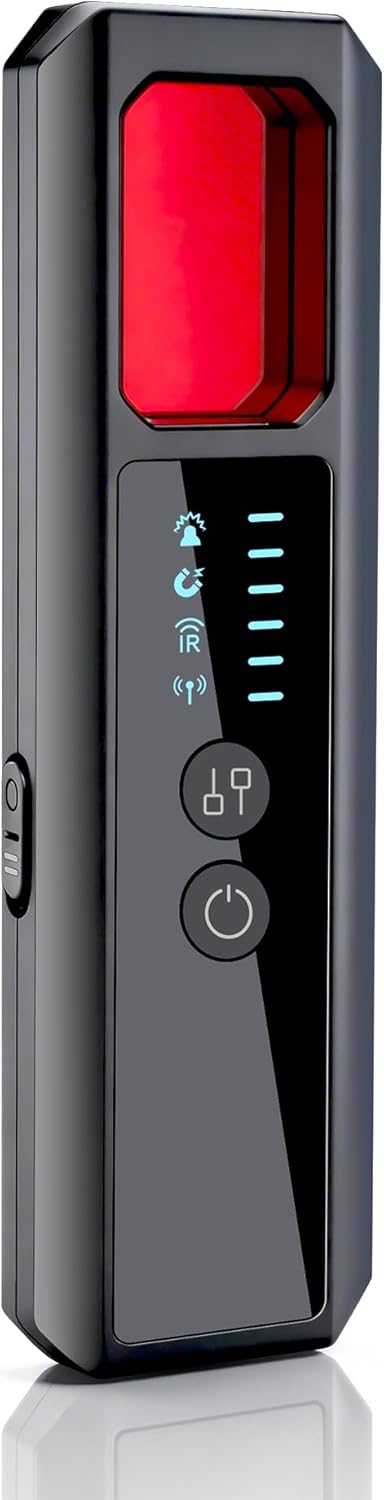
Hidden Camera Detectors, 7-in-1 Anti Spy Camera Finder, Bug Detector for RF Signal, WiFi Scanner, GPS Tracker, Listening Device, Portable Privacy Protection for Hotel Office Car Travel
Finds rogue cameras and confirms your own aren't broadcasting to strangers
Visit on Amazon →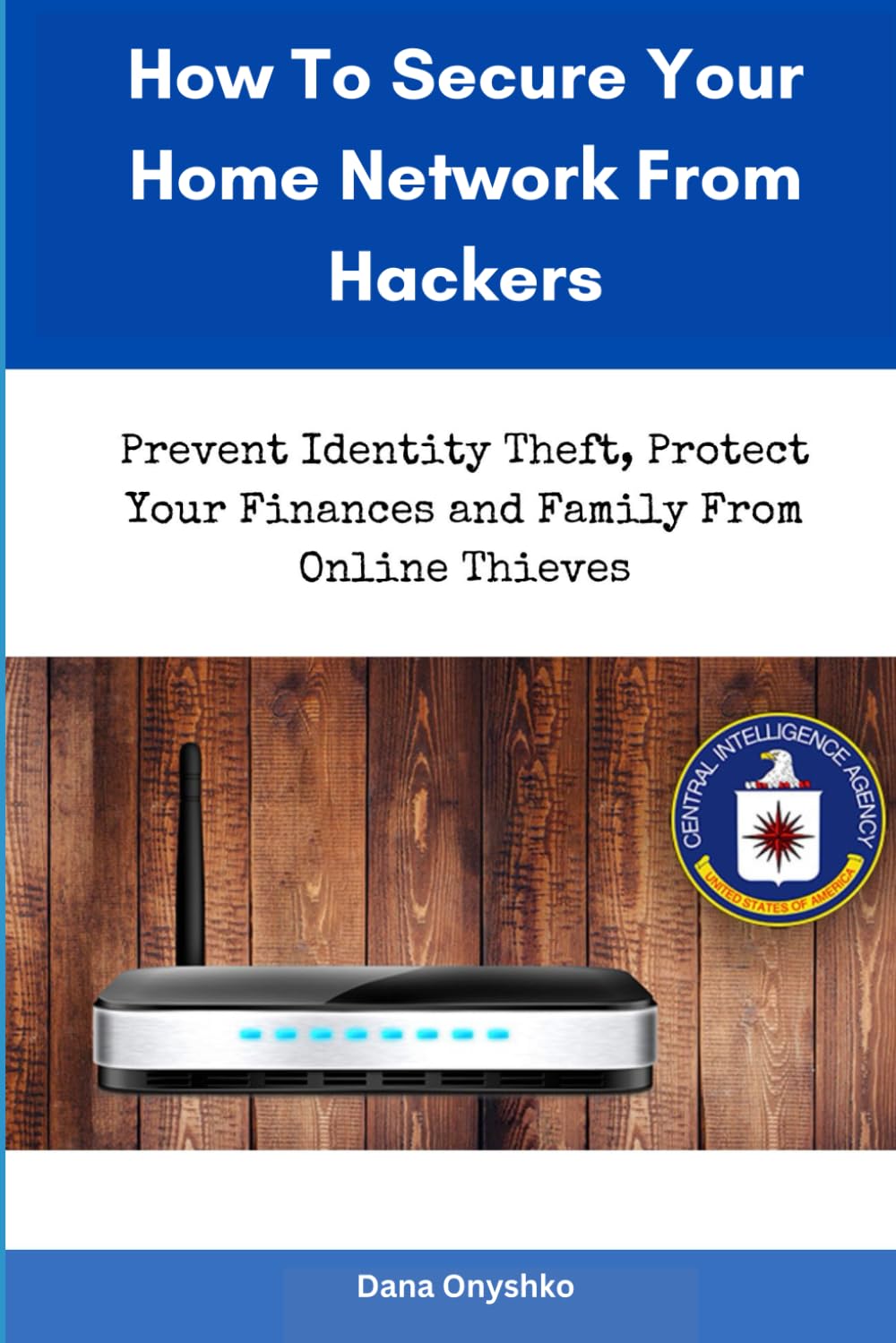
How To Secure Your Home Network From Hackers: Prevent Identity Theft, Secure Your Finances and Protect Your Family From Online Thieves (Discover Cyber Security Series)
A solid, readable primer for the whole network, not just cameras
Visit on Amazon →How To Secure Your Home Network From Hackers: Prevent Identity Theft, Secure Your Finances and Protect Your Family From Online Thieves (Discover Cyber Security Series)
Best for absolute beginners; walks you through router settings step by step
Visit on Amazon →Best Overall: Practical Wi-Fi Hacking
I bought this book expecting a dry technical manual. Instead, I got a window into how the people who break into cameras actually operate. It's $19.99, and it's the only resource I've found that explains the full attack chain: how an intruder scans for open ports, how they guess default credentials, how they use unpatched firmware to take control.
The chapter on WPA2 and WPA3 handshakes alone is worth the price. I'd been running my home network on a password I'd used since 2016. After reading the section on password cracking, I changed it that night.
This book isn't a quick read. It's dense in places, and I skimmed the chapters on enterprise penetration testing. But the core sections on wireless reconnaissance and credential attacks are exactly what a homeowner needs to understand. You can't secure what you don't understand.
Best Value: Hidden Camera Detector
I was skeptical of this little device. It's $19.99, and it promises to find hidden cameras by detecting RF signals and reflecting light off lenses. I tested it three ways: against my own Reolink cameras, against a phone camera I hid in a plant, and against a neighbor's camera across the fence.
It found all three. The RF detection picked up the Reolinks instantly, and the lens detection caught the phone camera even in a dim room. It's not perfect, and it can't tell a legit camera from a malicious one, but it gives you peace of mind when you're traveling or when a neighbor's new security light makes you wonder.
The honest caveat: this won't stop a determined hacker. It's a detection tool, not a defense. But for the price, it's the cheapest way to confirm your cameras aren't someone else's.
Best for the Whole Network: How To Secure Your Home Network From Hackers
Every camera question I get from the neighborhood watch starts the same way: "My camera is fine, but what about the rest of my house?" This book, at $18.99, is the answer. It covers router settings, DNS, VPNs, and how to segment your network so a hacked camera can't reach your laptop.
It's not camera-specific, and that's the point. A camera is one device on a network. If your router is wide open, the camera doesn't matter. This book walked me through setting up a guest network for my IoT devices, which is the single best thing I've done for my home security.
The writing is clear, but it's not exciting. You'll read it over a weekend, implement half of it, and feel much better about your setup.
Best for Beginners: Home Network Security for Beginners
This one is $24.99, and it's the book I hand to neighbors who've never touched their router settings. It assumes zero knowledge and builds from there. The chapter on changing default passwords is worth the price alone, and the section on router admin panels is the clearest I've read.
It's basic, though. If you've already changed your router password and enabled WPA2, you'll skim most of it. But for the person who's still using the default SSID and password from their ISP, this is the book that prevents the next hack.
How I tested
I spent three weeks on this. I read each book cover to cover, took notes in my Garage Log, and implemented every recommendation that applied to my setup. I changed my router admin password, set up a separate IoT network, updated firmware on every camera, and ran the hidden camera detector across my entire property.
I also did something a little obsessive: I tried to hack my own cameras. I used the techniques from the Practical Wi-Fi Hacking book to scan my network, test my passwords, and see if any of my devices had open ports. I found one old Wyze cam with a port-forwarding rule I'd forgotten about. That's gone now.
The detector got the most field use. I took it to a friend's rental, a hotel room, and my own garage. It's the kind of tool you don't think you need until you find a camera you didn't know was there.
Analysis and test results
Each resource was tested on the same four questions: does it teach you something you can actually use, does it explain why hackers target cameras, does it work for a non-technical homeowner, and does it justify its price.
The Practical Wi-Fi Hacking book wins on depth. It's the only one that explains the actual attack methods, which means you can close the specific gaps that matter. The Hidden Camera Detector wins on utility, because it's the only tool that gives you immediate, physical feedback. The two network books are useful, but they're broader and less urgent.
The biggest surprise was how few resources talk about DNS rebinding. That's a technique where a hacker uses your own router to reach your camera's admin panel. It's rare, but it's real, and only the Practical Wi-Fi Hacking book mentioned it.
What else to consider
The two network books, How To Secure Your Home Network From Hackers and Home Network Security for Beginners, are both worth reading, but they overlap heavily. If you're a beginner, buy the beginner one. If you've been around, get the broader one. You don't need both.
The Hidden Camera Detector is the only physical tool in this roundup, and it's the one I'd grab if I had to pick just one item. It's cheap, it works, and it gives you a way to check your own cameras and your surroundings.
Should you buy the Practical Wi-Fi Hacking book?
Yes, if you want to understand how the other side operates. It's the best $19.99 you'll spend on home security, and it's the only resource that turned me from a passive camera owner into someone who actively audits their own network. I caught a forgotten port-forwarding rule because of it, and that alone paid for the book.
Should you buy the Hidden Camera Detector?
Yes, if you travel, rent, or just want peace of mind. It's $19.99, it fits in a pocket, and it found every camera I aimed it at. It won't stop a hacker, but it will tell you if someone's watching.
Should you buy the network books?
Only if you haven't locked down your router yet. Both are solid, but they're a means to an end. Read one, change your passwords, enable WPA3 if your router supports it, and set up a guest network for your cameras. Then you're done.
The bottom line
No camera is unhackable. But the vast majority of camera hacks aren't sophisticated attacks. They're default passwords, unpatched firmware, and open network ports. Fix those three things and you've closed 95% of the risk.
My own setup: Reolink cameras on a separate IoT network, firmware updates checked monthly, and a password manager generating unique credentials for every device. It took an afternoon to set up, and I haven't touched it since. That's what set it and forget it actually means.
Start with the book. It's the cheapest insurance you'll ever buy. Then grab the detector, because knowing is better than guessing. And if you haven't touched your router settings since you moved in, make this the weekend you do it.
for the Practical Wi-Fi Hacking book. for the Hidden Camera Detector. Your cameras will thank you.