On a Tuesday at 3:07 in the morning, someone pried open the side door of my Seattle garage and walked out with two bikes, a toolbox, and my late father's camping gear. The camera I had mounted above that door recorded 22 minutes of a blurry raccoon and a dark shape that never once became a face. The detective was polite about it: no face, no case. Insurance watched the raccoon and denied most of the claim.
That night is the reason this site exists, and it is the lens every camera gets run through here, including this baby monitor vs security camera comparison. The four products below look like they belong in different articles. Two are Blink security cameras built to send you clips and alerts. Two are no-WiFi baby monitors built to put a live picture on a dedicated screen with no app, no account, and no cloud. That split is the whole point. The question is not which one is better. It is which one gives you something you can actually use after the worst night of your year.
If you want coverage you could hand to a detective, the Blink Outdoor 4 three camera system is the pick. If you want a screen that still works with your internet unplugged, the HelloBaby HB6550 is the pick. The Blink Video Doorbell + Outdoor 4 bundle is the right entry point for a front door, and the Babysense is the monitor to buy when the parent unit on the nightstand matters more than an app.
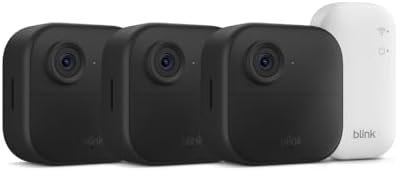
Blink Outdoor 4, 3 camera system
Three cameras on one included Sync Module Core, two-year battery life claim, 1080p day and infrared night live view, two-way talk. This is the only option here that covers three sides of a house.
Every feature people actually want after a break-in, meaning clip history and alert management, runs through Blink's subscription tiers. The hardware is the down payment.
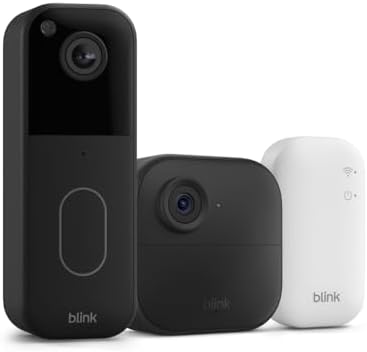
Blink Video Doorbell + Outdoor 4, 1 camera system
Head-to-toe HD view at the door, two-year battery life, Sync Module Core included. The lowest-effort way into a Blink system without drilling for a doorbell transformer.
One camera only. It covers your entry and nothing else, and the same subscription math applies.
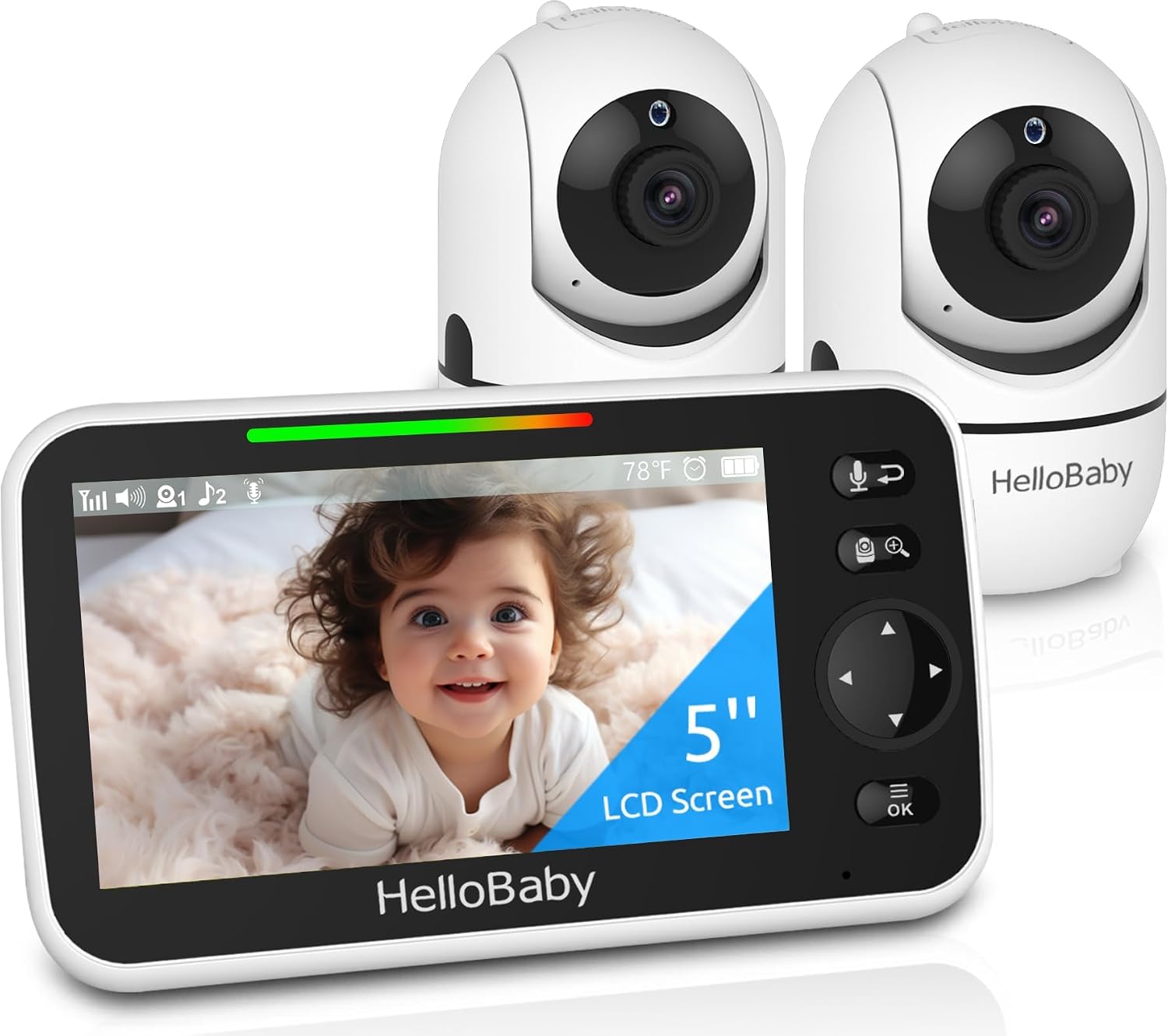
HelloBaby HB6550 No WiFi Baby Monitor, 2 cameras
Two cameras on one 5 inch screen, no WiFi, no account, no subscription. The most local-first product on this list, in the purest sense of the word.
It is a live-view device, not an evidence device. Nothing here is built to hand you an exportable clip, and it is not meant to sit outdoors.
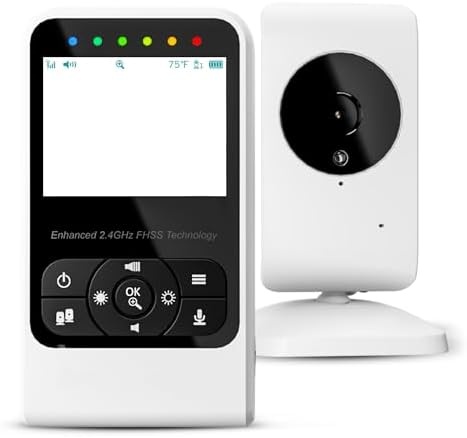
Babysense Video Baby Monitor
Long range, room temperature on the display, infrared night vision, two-way talk back, lullabies, high capacity battery. A closed loop that never touches your router.
One camera, no app, no remote viewing when you are away from the house. Fine for a nursery, useless for a garage.
Prices and availability were captured from Amazon Creators API and may change.
Why a baby monitor is sitting in a security camera comparison
Because the two no-WiFi monitors here solve a problem that most smart cameras create. They do not need your router, they do not need an account, and they do not need a subscription to show you a picture. You plug in a camera, you pick up a screen, and you are watching. That is local-first security in its purest form, and it is why I keep recommending this class of product to renters, to people in apartments with hostile WiFi, and to anyone whose internet drops every time the weather turns.
The trade-off is that a dedicated monitor is built to be watched live, not reviewed later. A security camera is built to produce a clip. Those are two different jobs. If what you want is to know your kid is asleep, the HelloBaby and the Babysense are better tools than any $200 outdoor camera. If what you want is a face you can email to a detective, you need the Blink pair, and you need to understand what you are paying for.
Night ID range is the number nobody prints on the box
Here is the vocabulary that matters. Night ID range is the distance at which a camera captures a face or a plate you could actually hand to the police. Everything inside that range is evidence. Everything past it is decoration.
1080p is a resolution, not a distance. It tells you how many pixels the sensor produces, not whether those pixels land on a face at 2 in the morning. The failure mode has a name too: IR washout. That is when the infrared illuminator overexposes whatever is close to the lens while trying to light up the far end of the driveway. The result is a glowing white blur where a person's head should be, and a perfectly exposed fence 40 feet back. It is the single most common reason footage gets thrown out.
When you read a listing, "crystal clear night vision" is marketing. What you want is an honest statement of infrared range, a sensor spec, and ideally a person-detection feature that works after dark. Ask yourself one question before you buy: if someone walked up my driveway tonight, would this thing give me a face at 20 feet, or a shape? If the answer is a shape, the camera is a motion sensor with a blinking LED.
The subscription is the real price
This is the rule I hold every manufacturer to: no "free" or "no subscription" claim gets accepted without the three-year cost sitting next to the hardware price. Not the monthly number, the three-year number, because that is the number you will have actually paid by the time you replace the thing.
The Blink cameras in this comparison are the clearest example of the pattern. The hardware is a reasonable down payment, and the Sync Module Core included with both bundles is what ties the system together. But the features that turn a camera into evidence, meaning the clip history you can scroll back through and the alert handling that keeps your phone from becoming a raccoon feed, live behind Blink's subscription tiers. That is not a scandal. It is a business model, and it is fine as long as you price it in before checkout instead of discovering it the week after a break-in.
The HelloBaby and the Babysense sit at the other end. You buy the hardware, and that is the whole bill, forever. There is no account to create and no card to leave on file. What you give up is everything the cloud buys: remote access, stored clips, and any way to review last night's footage from a hotel room. If you never wanted those things, the monitors are the better deal. If you did, the subscription is not optional, it is the product.
Blink Outdoor 4, three camera system: coverage that scales
Three cameras and one Sync Module Core is the configuration I would hand most homeowners first, because one camera is not a security system. One camera is a view. A driveway camera that shows you a car pulling in does nothing about the side gate, and the side gate is where my break-in happened.
The Outdoor 4 brings a two-year battery life claim, 1080p daytime video, infrared night live view, and two-way talk. Battery power is a real advantage for the renter or the person who is not going to run cable through a finished wall, and it is also the honest limitation: a battery camera is not recording continuously, it is waking up when something moves. Placement flexibility is what you are buying.
The trade-offs are the ones that come with every wireless, cloud-tied system. You are managing a subscription if you want the clip history to be useful. You are mounting cameras that someone could theoretically reach. And the night picture depends on how close the subject gets before the IR illuminator does its job. That is the part I would test on my own fence before trusting it with anything.
Blink Video Doorbell + Outdoor 4: the front door bundle
If your actual problem is the front door, this bundle is the cleaner starting point: one Outdoor 4 camera plus a video doorbell with a head-to-toe HD view, the same two-year battery life claim, and the same included Sync Module Core.
The head-to-toe framing is the part that matters. A doorbell camera aimed at eye level gives you a face at the door and nothing else. A head-to-toe view is what tells you whether the person on your porch is holding a package, a clipboard, or a pry bar, and whether there is a second person standing behind them. That wider vertical field is genuinely more useful than a slightly sharper image.
What you are not getting is coverage. One camera covers one zone. If you buy this bundle and stop there, you have a well-watched front door and a completely blind side yard, which is a very common and very expensive way to feel secure.
HelloBaby HB6550: two cameras, one screen, zero WiFi
The HB6550 is a 5 inch screen paired with two cameras, and it runs on its own wireless link rather than your home network. No WiFi, no app, no account, no subscription. Two rooms on one display is the feature that sells it: nursery and playroom, or nursery and the room where the grandparents sleep when they visit.
The honest limits are worth stating plainly. This is not a camera you mount over a garage, and it is not a camera that will produce a clip for the police. It is a live monitor. What it does better than anything else on this table is keep working when the internet does not, which is a much bigger deal than most people realize until the night their router dies and every smart camera in the house goes dark at once.
For a parent who does not want a phone in the bedroom, that trade is easy. For anyone trying to secure a property, it is the wrong tool, and buying it for that job is how people end up with a monitor on a windowsill and no evidence on their phone.
Babysense: the monitor with room temperature on the screen
The Babysense adds two things the HelloBaby does not list: room temperature on the display and lullabies, along with long range, infrared night vision, two-way talk back, and a high capacity battery.
Room temperature sounds like a gimmick until you have spent a winter in a Seattle house with one drafty nursery and a thermostat on the other floor. It is the kind of detail a parent checks ten times a night, and having it on the same screen as the video means one less thing to pick up. The long range spec matters for the same reason: a monitor that drops out when you walk to the kitchen is a monitor you stop trusting.
The limitation is the same one the HelloBaby carries, plus one more: a single camera. If you need two rooms watched, this is not the product. If you need one room watched by a parent unit that lives on a nightstand and never asks you to create a password, it is a clean, closed loop.
Which one belongs in your house
- Renting, or unwilling to run cable: the Blink Outdoor 4 three camera system. Battery power means no holes in someone else's walls.
- Front door is the whole problem: the Blink Video Doorbell + Outdoor 4 bundle, then add cameras later once you know where the blind spots are.
- You want a camera that works with the router unplugged: the HelloBaby HB6550, especially if two rooms need watching.
- You want one screen, one room, and a temperature reading at 3 AM: the Babysense.
- You want footage you can hand to the police: any of the Blink options, and budget for the subscription before you mount anything.
FAQ
Will a no-WiFi baby monitor work as a security camera? For live watching, yes, in a pinch. For evidence, no. It is not built to store and export clips, and it is not built for weather.
Do I need a subscription for the Blink cameras to work? The cameras function without one. The features that make the footage useful later, meaning clip history and alert handling, are what the subscription buys. Price three years of it next to the hardware before you decide.
Can I mix a monitor and a camera system? That is what I would do in a house with kids. Monitors on the nursery and the playroom, Blink cameras on the doors and the garage. Two systems, two jobs, no compromise on either.
The bottom line
The mistake I made was buying one camera from a deals email and calling the garage covered. The four products here are all competent at what they are designed for. The Blink bundles are designed to produce clips and alerts you can act on, and they need a subscription to be fully useful. The HelloBaby and the Babysense are designed to show you a live picture with no internet, no account, and no ongoing bill, and they will never hand you a face for a detective.
Pick the job first. Then pick the camera. Not the other way around.