I bought my first camera from a deals email in February, three days before someone pried open the side door of my Seattle garage at 3:07 in the morning and walked out with two bikes, a toolbox, and my late father's camping gear. The camera recorded 22 minutes of a raccoon and a dark shape that never once became a face. The detective was polite about it. No face, no case. Insurance watched the raccoon and denied most of the claim.
That is why this home security camera comparison exists, and why it is not organized by megapixels. Since that night I have mounted units on my own garage, my back fence, and my front porch, logged every alert in a notebook I call The Garage Log, and answered the same question for the neighborhood watch group every single week. Which one should I buy? The answer depends on three things: whether you can run a cable, where the footage lives, and what the whole thing costs over three years instead of on the day you click buy.
For most houses, the REOLINK Duo 3 PoE is the camera I would put on my own garage, because a wired camera with a 180 degree panoramic view covers the approach a thief actually uses and never needs a battery charged. The Tapo D210 doorbell handles the front door, the battery camera covers whatever cable cannot reach, and the Tapo C100 four-pack is indoor coverage bought in one shot.
Here is how the four compare.
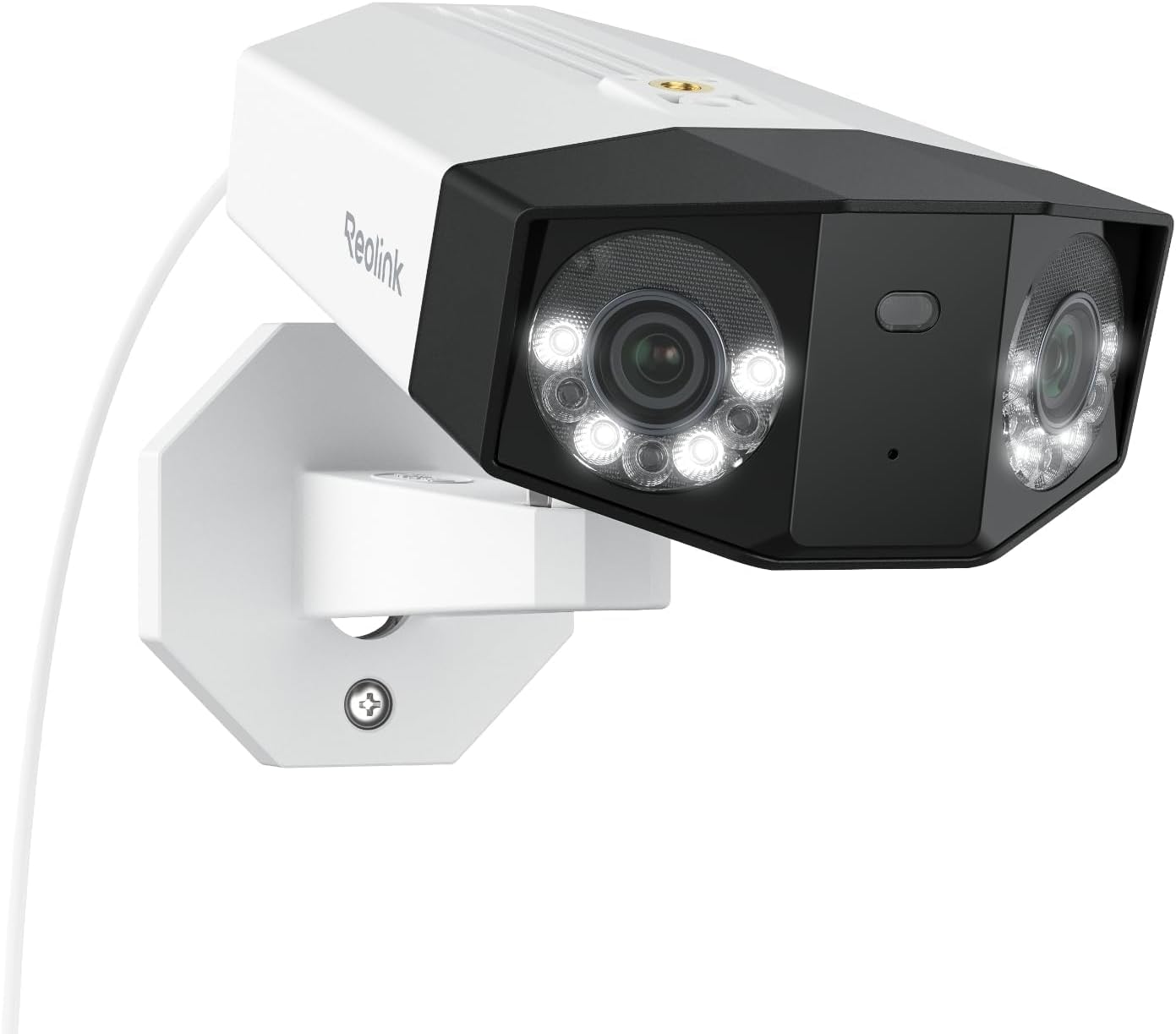
REOLINK Duo 3 PoE Dual-Lens PoE Security Camera with 180° Panoramic View
Dual lenses and a 180 degree panoramic view cover a driveway and side yard in one shot, and PoE means one cable for power and data with no Wi-Fi dropouts and no battery to charge
You are drilling holes and running cable, which rules it out for renters and for anyone who wants a camera working tonight
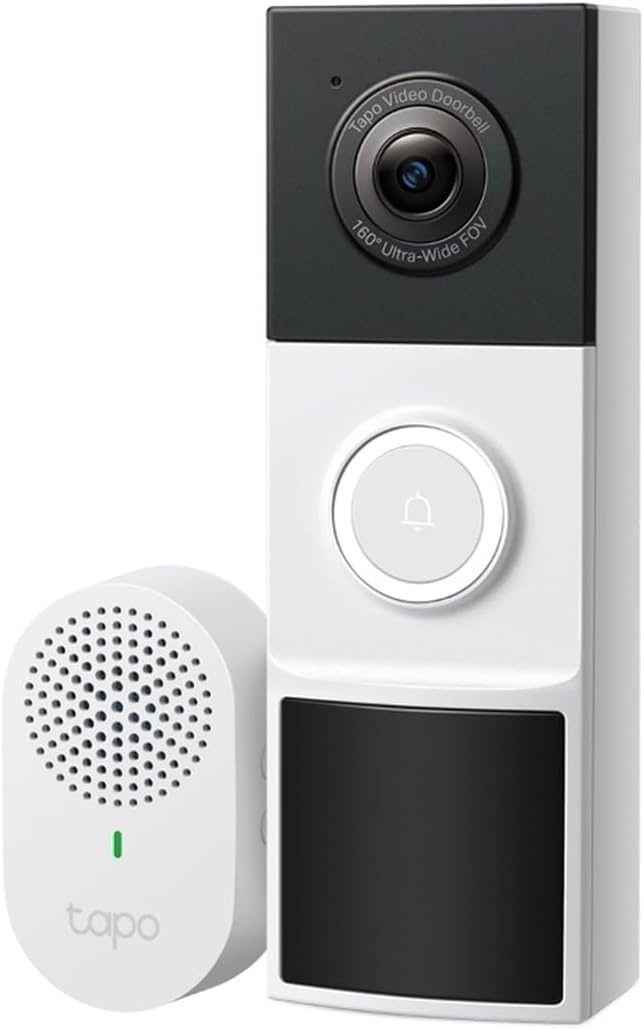
Tapo 2K Wireless Smart Video Doorbell w/Chime, 160° Ultra-Wide View, D210
2K resolution at the exact height a face actually is, a 160 degree ultra-wide view that catches the porch and the package, wireless install, and the chime is included instead of sold separately
A doorbell only sees the door, so it is coverage for one approach and not a whole house
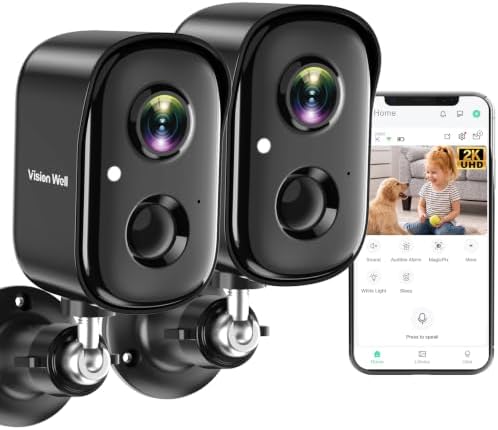
Security Cameras Wireless Outdoor, 2K Indoor Cameras for Home Security Battery Powered, AI Motion Detection, Color Night Vision, 2-Way Talk, Spotlight Siren Alarm, Cloud & SD Storage-Jet Black Camera
Battery power means it mounts anywhere with no cable run, and the spotlight, siren, two-way talk, and SD storage option cover the features people actually use during a break-in
Battery means a charging routine, and AI motion detection only earns trust if you test it at 2 AM instead of noon
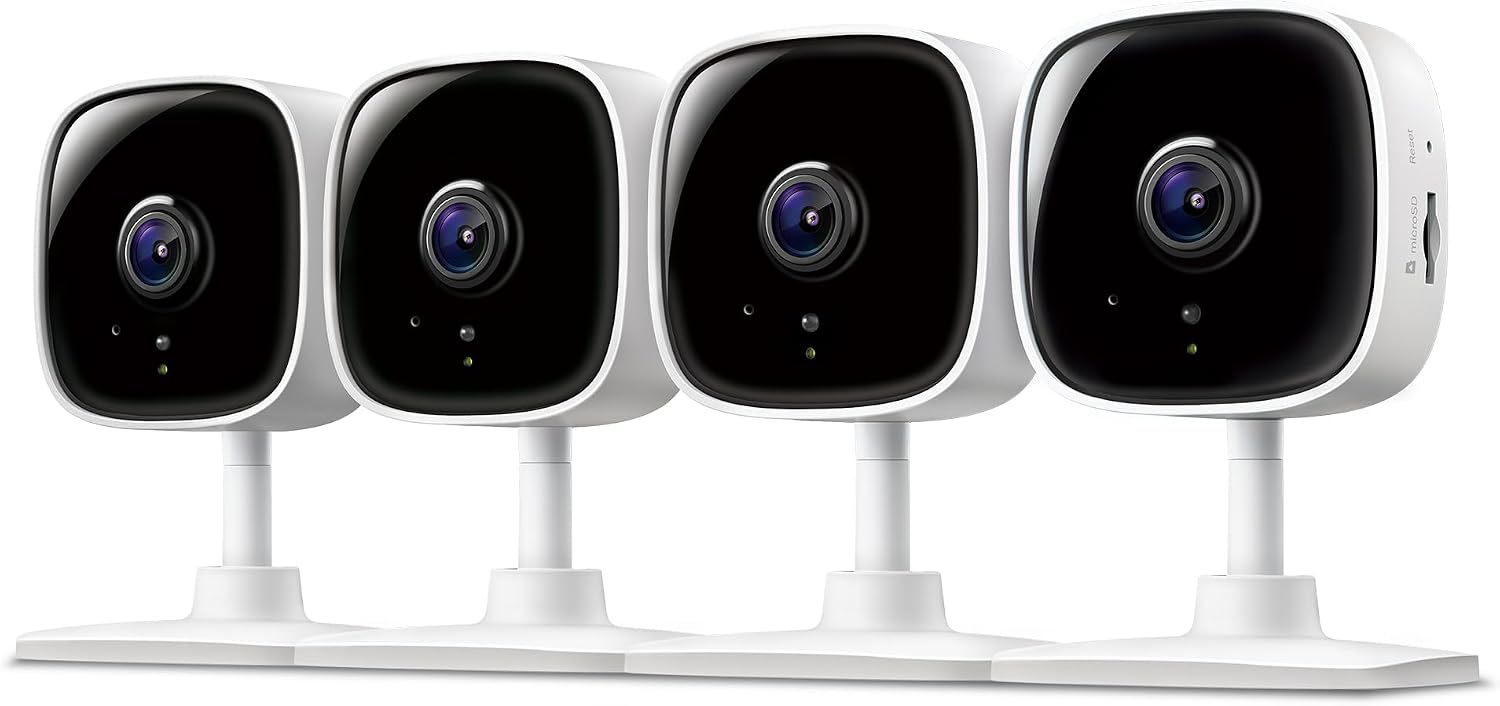
Tapo 1080P Indoor Security Camera, Baby Monitor, Dog Camera, C100(4-Pack)
Four cameras in one purchase covers four rooms, and 1080p is genuinely enough indoors where faces are close to the lens
Indoor only, so it is not a perimeter camera and should never be treated as one
Prices and availability were captured from Amazon Creators API and may change.
How I test before anything gets recommended
Every camera that earns a mention on this site goes through the same routine. Same garage corner, same fence post, same porch. Targets at 10, 20, 30, and 50 feet. A full week of false-alert logging, because the number of raccoons, shadows, and passing cars that trip a camera tells you more about whether you will keep notifications turned on than any spec sheet ever will. Then the money: hardware plus three years of whatever subscription the app nags you into, printed next to each other.
And the last question, the one the detective taught me. Would I hand this clip to a police officer and expect a name? That is the test. Everything below is how these four hold up against it.
The wired flagship: REOLINK Duo 3 PoE
The Duo 3 is the one I would bolt to my own garage without hesitating. Two lenses and a 180 degree panoramic view mean one camera covers the driveway and the side yard instead of two cameras covering each half and leaving a seam between them. That seam is where thieves walk.
Power over Ethernet is the part that makes it a security camera instead of a gadget. One cable carries power and data, so there is no Wi-Fi signal to drop when the neighbor's microwave kicks on, no battery to charge, and no night where the camera quietly went to sleep at 4 AM. In my experience, the cameras people stop trusting are almost always the ones that needed charging or reconnecting, not the ones with the smaller sensor.
The honest cost: you are drilling holes and running cable, and that is not a Saturday afternoon project for everyone. If you rent, or if your garage is on the far side of a concrete slab, this camera is not for you no matter how good it is. But if you own the wall and you can get a cable to it, this is the corner of the setup that matters most.
The front door: Tapo D210 doorbell
A doorbell camera has exactly one job, and it is not watching the street. It is putting a face at the height a face actually is when someone stands on your step. The D210 shoots 2K, which is the resolution where a face at porch distance stops being a silhouette, and its 160 degree ultra-wide view catches the package on the mat and the person standing over it in the same frame.
Two details I care about more than the marketing. First, the chime is included, so you are not buying a separate speaker to hear the doorbell inside the house. Second, it is wireless, which means no doorbell transformer to replace and no wiring to figure out on a house built before you were born. That is the difference between a camera that gets installed this weekend and one that sits in a box until spring, and a camera in a box has never caught anybody.
The limit is obvious: a doorbell sees the door. It does not see your side gate, your garage, or the fence line. Pair it with something else, or accept that you have covered one approach and not a house.
The battery camera: coverage where cable cannot go
This one exists for the places a cable will never reach. Battery power, 2K, color night vision, AI motion detection, two-way talk, and a spotlight plus siren alarm, with both cloud and SD storage listed. That combination is the reason it is in this comparison rather than dismissed as a cheap option.
The spotlight and siren are the underrated features. A camera that lights up your driveway and makes noise at 2 AM changes the math for someone standing there, and it does it in the moment instead of three days later when you review footage. Two-way talk matters for the same reason: you can tell a delivery driver where to leave a package, or tell someone they are on camera while they are still standing there.
SD storage in the listing is the part I would confirm first, because footage that lives on a card in your own house is footage no one else can quietly remove. My rule is simple: if the camera supports local storage, use it, and treat the cloud as a backup rather than the primary.
The trade-off is the battery itself. A wireless camera is a camera with a chore, and cold snaps make that chore come around more often. Plan the charging schedule instead of discovering it in January when the camera has been dead for a week.
The indoor four-pack: Tapo C100
The C100 is sold as a baby monitor and a dog camera, and that is the honest description. This is indoor coverage, and indoors is where 1080p is genuinely enough, because the face you are trying to identify is standing eight feet from the lens, not thirty. Four cameras in one purchase means four rooms covered for less than the cost of most single outdoor cameras, which is why it keeps ending up in these lists.
Where it earns its place is the boring stuff: the back hallway, the room where the dog sleeps, the nursery, the basement door that you keep meaning to look at. Where it does not belong is under an eave pretending to be a perimeter camera. An indoor camera pointed at a driveway at night will give you exactly the raccoon footage I started this article with, and you will have paid for the privilege.
The subscription question, printed in full
The subscription is the real price. The hardware is the down payment. That is not a slogan, it is the thing that turns a cheap camera into an expensive one over three years, and it is the reason I refuse to compare these four on sticker price alone.
Before you buy any of them, open the app's storage page and answer three questions. Can you replay footage stored on your own card without paying? Can you export or download a clip you might need for a police report or an insurance claim? And what happens to your footage if you stop paying, does it stay, or does it disappear with the plan?
Any camera that advertises local or SD storage and then gates playback behind a plan is not a local storage camera. And "free cloud storage" that means 24 hours of clips you cannot export is not storage either, it is a demo. Do that math for three years before you decide which of these is the cheap one.
Trade-offs nobody prints on the box
Wired beats wireless on reliability, and wireless beats wired on the only metric that ultimately counts, which is whether the camera is actually mounted. A camera still in the box loses to a cheaper camera screwed to the wall every single time.
A panoramic view trades detail for coverage. The Duo 3 sees a wide arc in one frame, which is exactly what you want for an approach, but if your only concern is a single narrow gate, a tighter lens will give you more usable pixels on the one thing that matters.
Battery cameras trade a cable run for a routine. Indoor cameras belong indoors. And false alerts remain the number one reason people mute their own security system, so whatever you buy, spend the first week setting tight detection zones and watching what trips them. A camera everyone mutes is a camera that does not exist.
What I would buy for my own house
If I could run cable to one corner and only buy one camera, it would be the REOLINK Duo 3 PoE, because it covers the widest approach and it never needs me to remember anything.
If I rent, or if the wall is not mine to drill, I would buy the battery camera for the driveway or side yard and the Tapo D210 for the front door, in that order, because the front door is where packages and faces both show up.
If the goal is indoor coverage for kids, pets, or a basement door, the Tapo C100 four-pack is the efficient purchase, and it is not trying to be anything else.
What is next on the fence
Right now I have targets set at 10, 20, 30, and 50 feet on the back fence and a week of false-alert logging running, because night face-ID range and alert noise are the two numbers that decide whether a camera is evidence or decoration. I do not publish a recommendation on a camera I have not lived with, and I do not accept "crystal clear night vision" as a specification from anyone, including myself.
If you take one thing from this comparison, take the detective's question. Before you buy, ask what the camera will hand you at 3 AM when it matters. If the answer is a dark shape and a raccoon, keep looking.